5 Environmental Friendly Window Treatments
At Blinds Couture we are proud to reduce our carbon footprint by recommending earth-friendly products. Click here for more details.
Updated October 5, 2026
5 Environmentally Friendly Window Treatments
Sustainability in home design is no longer a niche concern. It is a standard that informed homeowners expect from the products they bring into their living spaces. For window treatments, environmental responsibility shows up in two ways: the materials the product is made from and the energy performance the product delivers once installed. The most sustainable window treatments address both, using responsibly sourced or natural materials while actively reducing the home's energy consumption for years after installation.
Blinds Couture is committed to offering products that meet the environmental values of Denver homeowners without compromising on design quality or performance. These five window treatment categories represent the strongest options for clients who want their homes to look exceptional while reducing their environmental footprint.
1. Woven Wood Shades: Renewable Materials, Beautiful Results
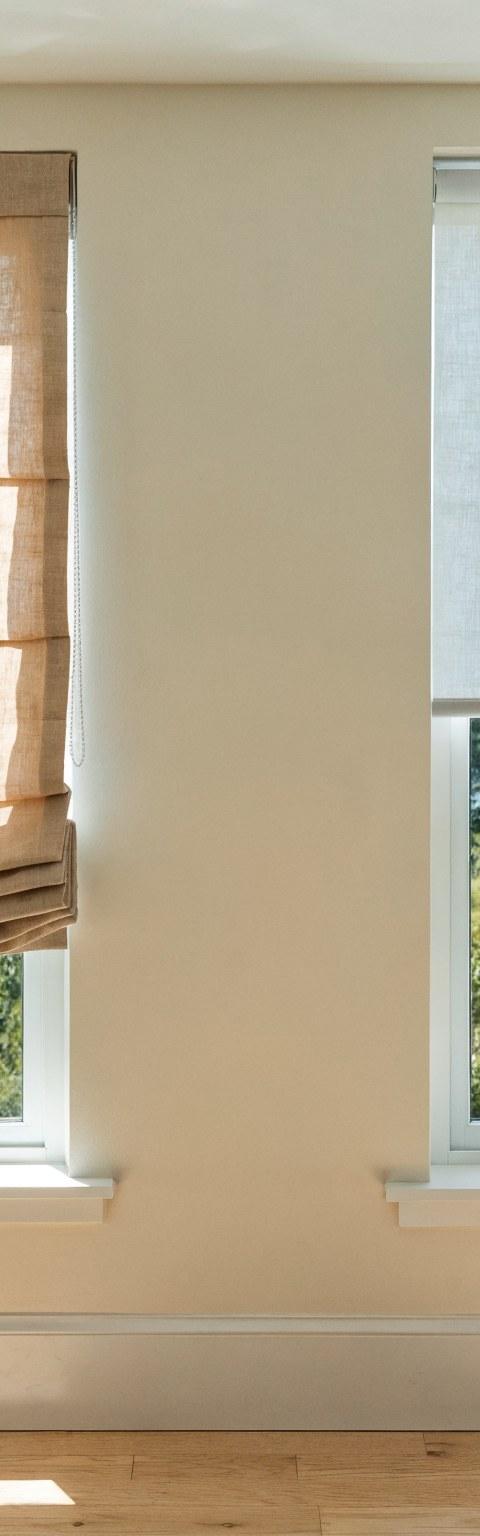
Woven wood shades are crafted from bamboo, jute, rattan, reeds, and grasses, all rapidly renewable natural materials that grow without significant irrigation, pesticide use, or chemical processing. Bamboo, in particular, is one of the most sustainable raw materials on earth. Some species grow up to three feet per day and reach harvestable maturity in three to five years, compared to hardwood trees that require 20 to 60 years.
The environmental profile of woven wood shades extends beyond the raw material. The manufacturing process involves less energy than synthetic fabrication because the fibers are woven mechanically rather than chemically processed. The finished product is biodegradable at end of life, unlike PVC or polyester-based alternatives.
From a design perspective, woven wood shades bring organic texture and warmth into a room that resonates with Denver's connection to natural landscapes. The irregular weave patterns, the subtle color variation of natural fibers, and the gentle light filtration through the material create an aesthetic that no manufactured product can replicate.
Woven wood shades are available with privacy liners and light-filtering or blackout backing for rooms that require more opacity. They work beautifully in living rooms, kitchens, dining rooms, and bedrooms throughout Denver homes and mountain residences.
2. Cellular Shades: The Energy Efficiency Leader
Cellular (honeycomb) shades are the most energy-efficient window treatment available, and that energy efficiency represents the most impactful environmental contribution a window covering can make. The honeycomb structure traps air in discrete cells that act as an insulating barrier between the window glass and the room interior.
The science is straightforward. Windows are responsible for 25-30% of residential heating and cooling energy use. Heat enters through windows in summer and escapes through them in winter. Cellular shades reduce that heat transfer significantly. Single-cell shades improve the window's effective R-value by approximately 1.0. Double-cell and triple-cell configurations improve it further. Over the life of the shade, the cumulative reduction in heating and cooling energy translates directly to lower carbon emissions from the home's HVAC system.
The U.S. Department of Energy recognizes cellular shades as one of the most effective passive energy conservation strategies for existing homes. For Denver homeowners, where winter heating loads are substantial and summer cooling demands continue to grow, cellular shades reduce the home's environmental impact every month of the year.
Hunter Douglas Duette honeycomb shades and Graber CrystalPleat cellular shades both offer products made with recycled content and manufactured in facilities committed to sustainability practices. Ask your Blinds Couture design consultant about specific sustainability certifications and material sourcing for the products you are considering.
3. Solar Shades: Passive Cooling Without Mechanical Energy
Solar shades reduce the sun's heat gain through windows without requiring any electrical energy to operate. This makes them one of the most efficient passive cooling strategies available for residential windows. The mesh fabric intercepts solar radiation before it enters the room, reducing interior temperature and decreasing the demand on air conditioning systems.
In Colorado, where south- and west-facing windows can drive interior temperatures up 10-15 degrees on sunny afternoons, solar shades make a measurable difference in energy consumption. Homes that install solar shades on their highest-exposure windows typically see a 25-35% reduction in cooling costs for those zones.
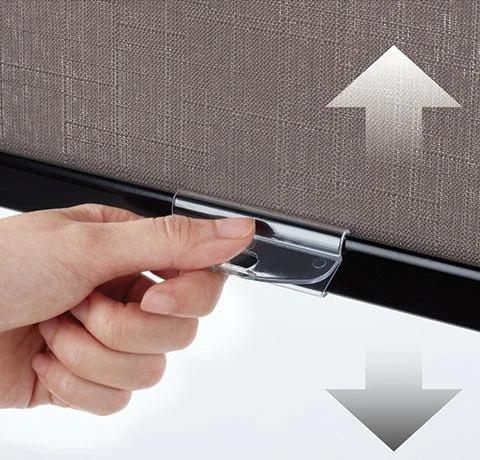
The environmental benefit extends beyond energy savings. By reducing the workload on HVAC equipment, solar shades also extend the lifespan of those systems, delaying the energy and material costs of replacement. The shade itself requires no electricity (unless motorized), creates no emissions, and operates indefinitely through simple mechanical raising and lowering.
For a detailed exploration of solar shade specifications and how to choose the right openness factor, see our guide: Guide in Using Solar Screen Roller Shades.
4. Natural Fiber Drapery: Organic Materials, Timeless Design
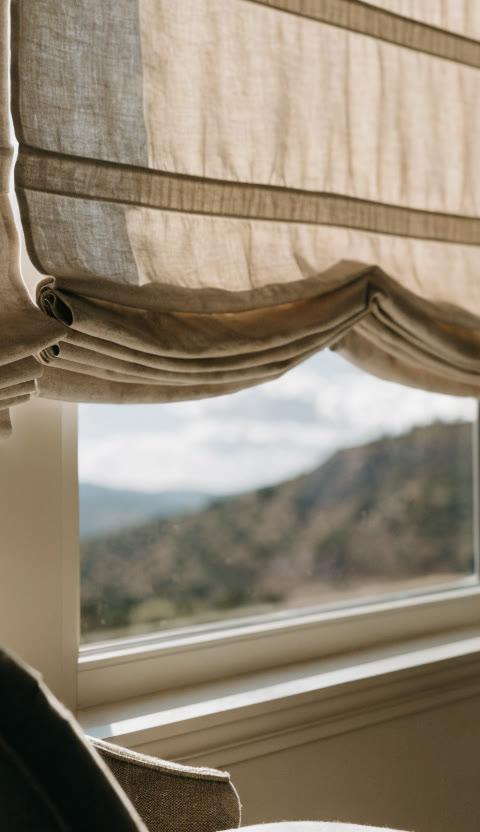
Custom drapery fabricated from natural fibers, including organic cotton, linen, hemp, and wool, offers an environmentally responsible alternative to synthetic textiles. These fibers are grown and harvested through agricultural processes rather than petrochemical manufacturing. At end of life, natural fiber drapery is biodegradable, unlike polyester or acrylic panels that persist in landfills for centuries.
Organic cotton is grown without synthetic pesticides or fertilizers, reducing the chemical impact on soil and water systems. Organic cotton drapery fabrics are available in a wide range of weights, weaves, and finishes suitable for every room in the home.
Linen is derived from the flax plant, which requires significantly less water and fewer pesticides than conventional cotton. Linen is one of the most sustainable natural fibers available, and it happens to be the most popular drapery fabric among Blinds Couture's Denver clientele. The natural texture, breathability, and graceful drape of linen make it the default choice for warm minimalism and organic modern interiors.
Hemp is emerging as a drapery fabric with exceptional sustainability credentials. It grows rapidly, requires minimal water, naturally resists pests, and produces a strong, durable fiber. Hemp drapery fabrics have a textured, rustic quality similar to heavy linen.
Wool provides natural insulation, moisture wicking, and flame resistance without chemical treatment. Wool drapery is particularly effective in Colorado mountain homes where insulation and fire safety are both priorities.
When natural fiber drapery is paired with blackout or thermal lining, the environmental profile improves further through energy savings. The fabric provides the aesthetic, and the lining provides the performance, both working together to create a treatment that looks beautiful and reduces the home's energy footprint.
5. Motorized Treatments on Smart-Home Automation
This option is about operational sustainability rather than material sustainability. Motorized window treatments integrated with smart-home automation systems (Lutron, Control4, Apple HomeKit) optimize energy use by managing solar heat gain and heat loss automatically, without relying on the homeowner to remember to adjust shades manually.
Scheduled automation lowers solar shades on south-facing windows at noon and raises them at sunset. This reduces cooling load during peak sun exposure without any human intervention. In winter, the schedule reverses: shades open during the day to allow passive solar heating and close at night to retain warmth.
Sensor-based automation goes further. Light sensors and temperature sensors trigger shade adjustments in real time based on actual conditions rather than a fixed schedule. On a cloudy day, the shades stay open. On an unusually sunny winter afternoon, they close to prevent overheating. The system continuously optimizes for comfort and energy efficiency.
The environmental return from smart automation accrues over years. A home with 20 motorized shades operating on an optimized schedule saves meaningfully more energy than the same home with manual treatments that are rarely adjusted. The initial investment in motorization pays back through reduced utility bills and lower carbon emissions across every season.
Sustainability as Standard Practice
Blinds Couture believes that environmentally responsible products should not require a sacrifice in quality, aesthetics, or performance. The products featured in this guide are among the most beautiful, well-made, and effective window treatments available, and they happen to also be among the most sustainable.
Your design consultant can walk you through the sustainability credentials of every product in our catalog and help you make choices that align with your environmental values while creating a home that feels as good as it looks.
Book Your Complimentary Design Consultation
Blinds Couture is proud to reduce our environmental footprint by recommending earth-friendly products and energy-efficient installations. Every product is custom specified and professionally installed by our Colorado team.
Serving Denver since 1999
Blinds Couture Showroom
590 Quivas St
Denver, CO 80204
(720) 729-0091
Blinds Couture
Denver's premier custom window treatment studio
With over 25 years serving Colorado homeowners and designers, Blinds Couture brings expert knowledge in custom drapery, blinds, shades, shutters, and motorized window treatments. Our team combines design expertise with hands-on craftsmanship to create beautiful, functional spaces.
Learn more about our team