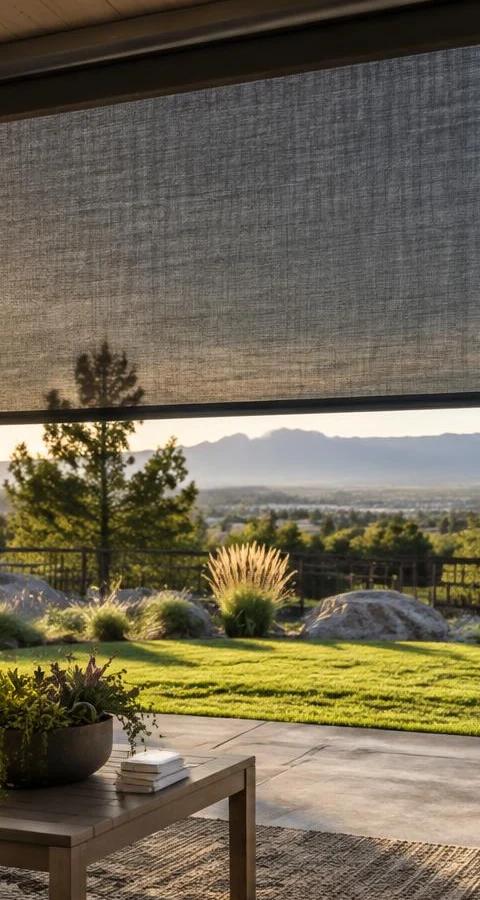
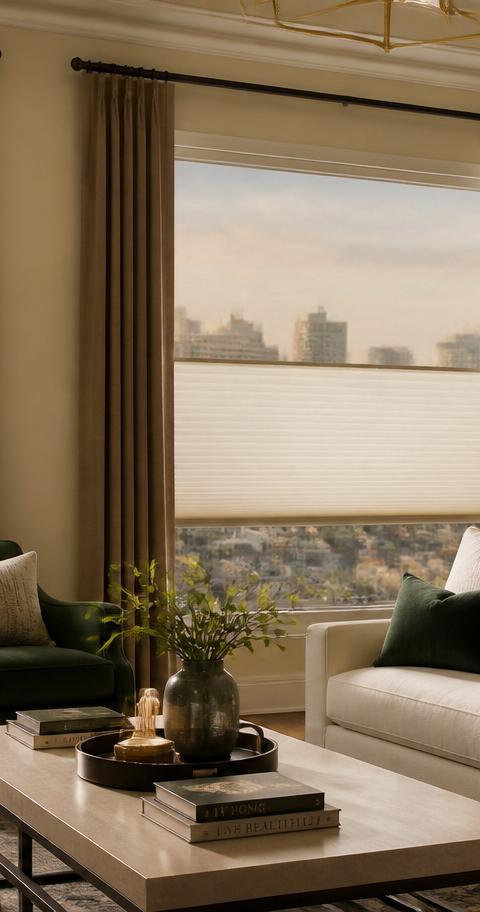
Is your home ready for Fall?
Make the most of the changing seasons! Here are some ideas to help you make it through the long nights ahead of us.
Updated October 10, 2026

Is Your Home Ready for Fall?
September in Colorado delivers that first cold snap that reminds you winter is serious. One morning the temperature drops 30 degrees from the day before, and suddenly every window in your home becomes a point of heat loss. The furnace kicks on. The thermostat creeps upward. And the energy bills begin their steady climb toward their January peak.
Your windows are the weakest link in your home's thermal envelope. Even well-insulated walls lose comparatively little heat. The windows, especially in older Denver homes with original or dated double-pane glass, radiate cold into the room and let heated air escape at a rate that no amount of thermostat adjustment can fully compensate for. The most effective and most affordable intervention? The right window treatments.
Fall is the ideal time to address your windows. The installation can be completed before the first sustained cold arrives, and the treatments begin delivering energy savings from their very first day in service.
How Window Treatments Reduce Winter Energy Loss
The physics is simple. A window with no covering radiates heat outward and allows cold to radiate inward. Adding a fabric or cellular barrier between the glass and the room interior slows that heat transfer. The denser the barrier, the greater the insulating effect.
Cellular shades are the most effective winter insulator among window treatment products. Each honeycomb cell traps a pocket of still air that acts as insulation. Double-cell and triple-cell configurations multiply the effect. On a single-pane window, cellular shades can improve the effective R-value by 50% or more. On modern double-pane glass, the improvement is less dramatic but still meaningful across 15, 20, or 30 windows.
Thermal-lined drapery adds a dense fabric barrier that blocks cold air radiation and reduces drafts along the window perimeter. Heavy fabrics like velvet and lined wool are the most effective drapery insulators. Even standard-lined linen panels provide measurable improvement over a bare window.
Shutters create a rigid barrier that reduces air movement across the glass surface. When the louvers are closed, the shutter panel acts as an additional layer of insulation. Composite and hardwood shutters are more effective than thin vinyl alternatives because of the material's density.
Room-by-Room Fall Preparation
Bedrooms. If you have been sleeping under thin curtains all summer, fall is the signal to upgrade. Blackout cellular shades or blackout-lined drapery keep the bedroom warm, dark, and insulated. The improvement in sleep comfort is immediate.
Living rooms and great rooms. Large windows and glass walls that were assets during summer become liabilities in winter. Motorized cellular shades or thermal-lined drapery panels manage heat loss while maintaining the room's design aesthetic. Programming shades to open during sunny winter days allows passive solar heating, then closing them at sunset retains that warmth through the evening.
Kitchens and bathrooms. These rooms often have single windows that are easy to overlook. Adding a cellular shade or an insulated roman shade to the kitchen and bathroom eliminates a point of heat loss that, multiplied across the home, contributes meaningfully to energy waste.
Entryways and mudrooms. Windows near exterior doors lose heat every time the door opens. A cellular shade on entryway windows provides an insulating layer that helps stabilize the temperature in the home's transition zones.
Maintenance for Existing Treatments
If your window treatments are already installed, fall is the right time to inspect and maintain them.
Check that all operating mechanisms work smoothly. Motorized shades should be charged or have fresh batteries. Roman shades should raise and lower evenly without sticking. Drapery should glide freely on rods or tracks.
Dust and vacuum all treatments. Dust buildup on shade surfaces and drapery folds reduces the fabric's insulating effectiveness and introduces allergens into the home as the heating system circulates indoor air.
For guidance on cleaning specific products, see our article: How to Clean Greasy Wooden Blinds.
The Fall Investment That Pays All Winter
Upgrading or adding window treatments before winter is one of the highest-return seasonal investments a Colorado homeowner can make. The energy savings begin immediately, the comfort improvement is felt the first cold night, and the treatments continue performing for years.
Blinds Couture's fall consultation schedule fills quickly as Denver homeowners prepare for winter. Book your complimentary in-home consultation now to ensure your treatments are installed before the first sustained cold.
Schedule Your Fall Consultation
Looking for the styles and colors that feel current this season? See our fall 2026 window treatment trends for Denver homes.
Serving Denver since 1999
Blinds Couture Showroom
590 Quivas St
Denver, CO 80204
(720) 729-0091

Blinds Couture
Denver's premier custom window treatment studio
With over 25 years serving Colorado homeowners and designers, Blinds Couture brings expert knowledge in custom drapery, blinds, shades, shutters, and motorized window treatments. Our team combines design expertise with hands-on craftsmanship to create beautiful, functional spaces.
Learn more about our team