Motorized and Smart Window Treatments for Denver Homes | Blinds Couture
How motorized shades, drapery, and shutters integrate with Lutron, Crestron, Control4, and Hunter Douglas PowerView in Denver homes. A practical guide to planning, wiring, and scenes.
Updated October 5, 2026
Motorized and Smart Window Treatments for Denver Homes
Motorization has quietly become the default for new custom window treatments in Denver. Five years ago, motorized shades were a luxury upgrade discussed on perhaps one window in a project. Today, on most Blinds Couture projects above a certain budget, the question is no longer whether to motorize but which windows to leave manual. This guide walks through how motorization actually works, what integrates with what, and how to plan for it without making expensive mistakes.
For our full smart home and motorized treatments capabilities, including the systems we are certified to integrate with, see the automation overview. To see motorization in a finished Denver project, the Brightly Boulder showcase walks through one of our motorized installations.
Why Homeowners Choose Motorization
The most common reason clients motorize is not what people expect. It is rarely about novelty. It is about three practical problems that manual treatments cannot solve.
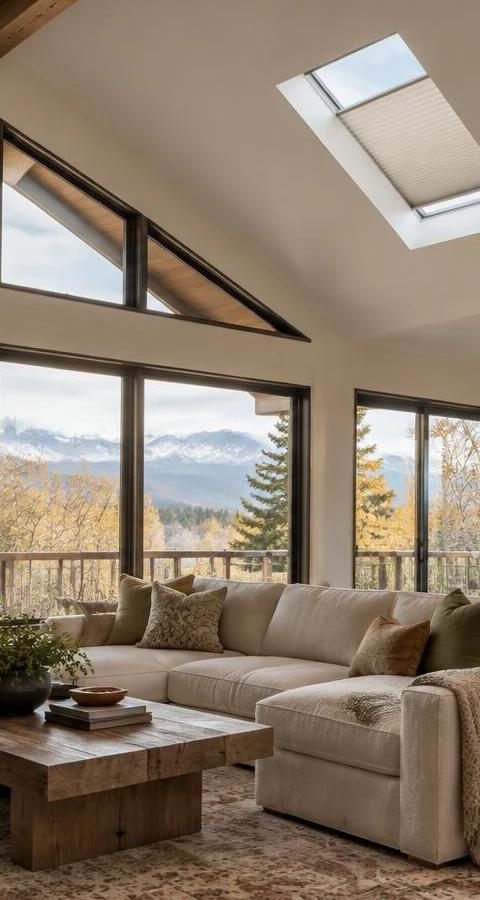
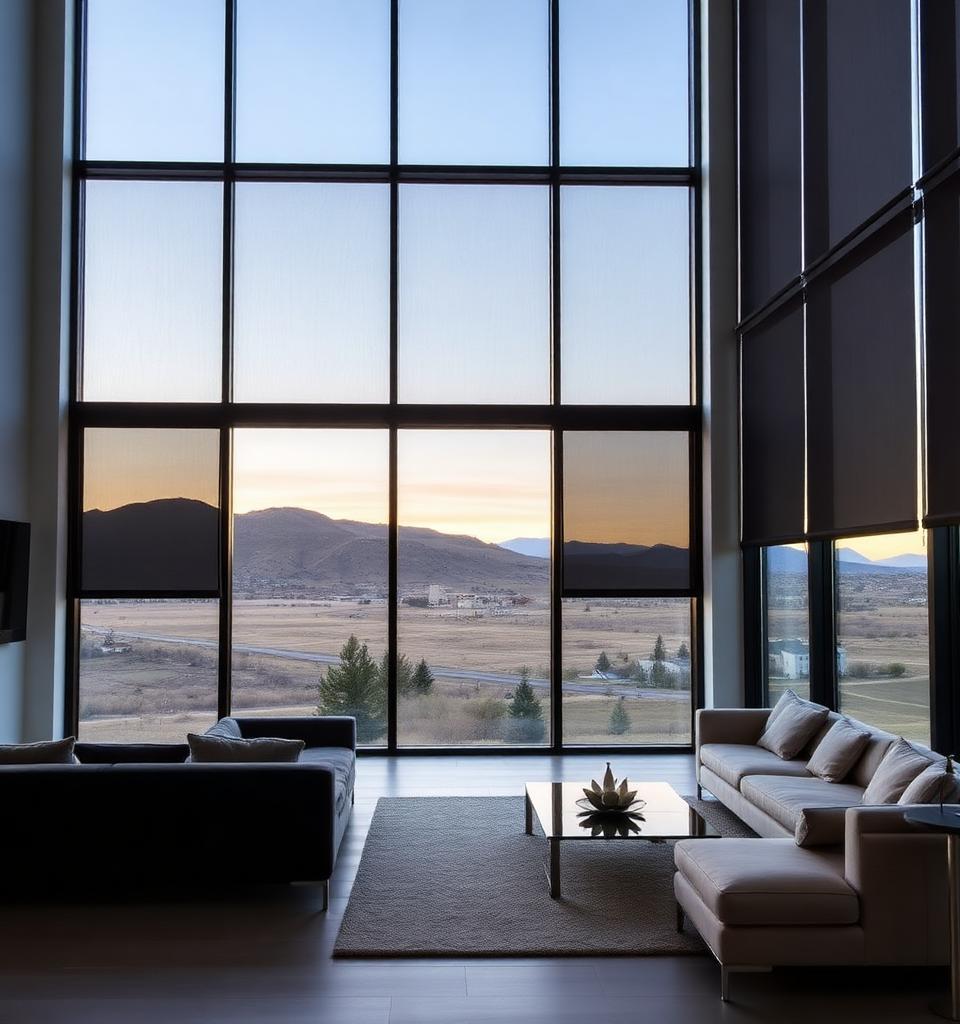
Tall and out-of-reach windows. Two-story great rooms, transoms, and skylights are nearly impossible to operate manually. Motorization is the only realistic option.
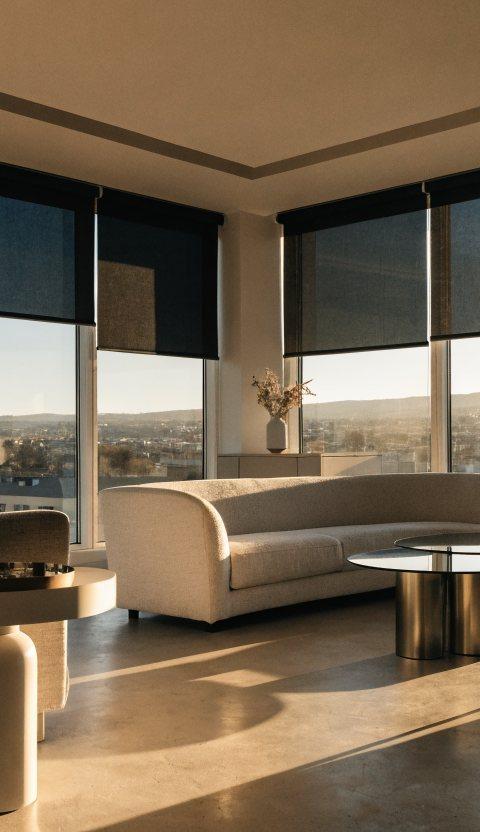
Sun and heat control through the day. A south- or west-facing window in a Colorado home receives punishing afternoon sun. Programmed shades that descend automatically as the sun rotates protect art, hardwood floors, and upholstery without any homeowner involvement.
A consistent, finished look across many windows. When a great room has eight matching shades, lifting them all to the same height by hand is genuinely difficult. Motorization makes the room look composed, every time.
The Three Power Options
Every motorized treatment runs on one of three power sources, and the choice should be made at the design stage, not after walls are closed.
Rechargeable battery motors are the most flexible option for retrofits and existing homes. The motor is integrated into the shade, charged via a hidden USB cable once or twice a year, and requires no electrical work. Battery technology has improved dramatically; on a roller or honeycomb shade, a single charge lasts roughly a year of normal use.
Hardwired motors are the correct choice for new construction, major renovations, and any home where the walls are already open. A low-voltage line runs from the motor to a power supply, and the shade never needs servicing. This is the right answer for tall windows, skylights, and any installation where battery access would require a ladder.
Solar-charged motors use a small panel mounted near the window to keep the battery topped up. They suit south-facing windows in homes where running wire is impractical and ladder access for battery service would be inconvenient.
What Integrates With What
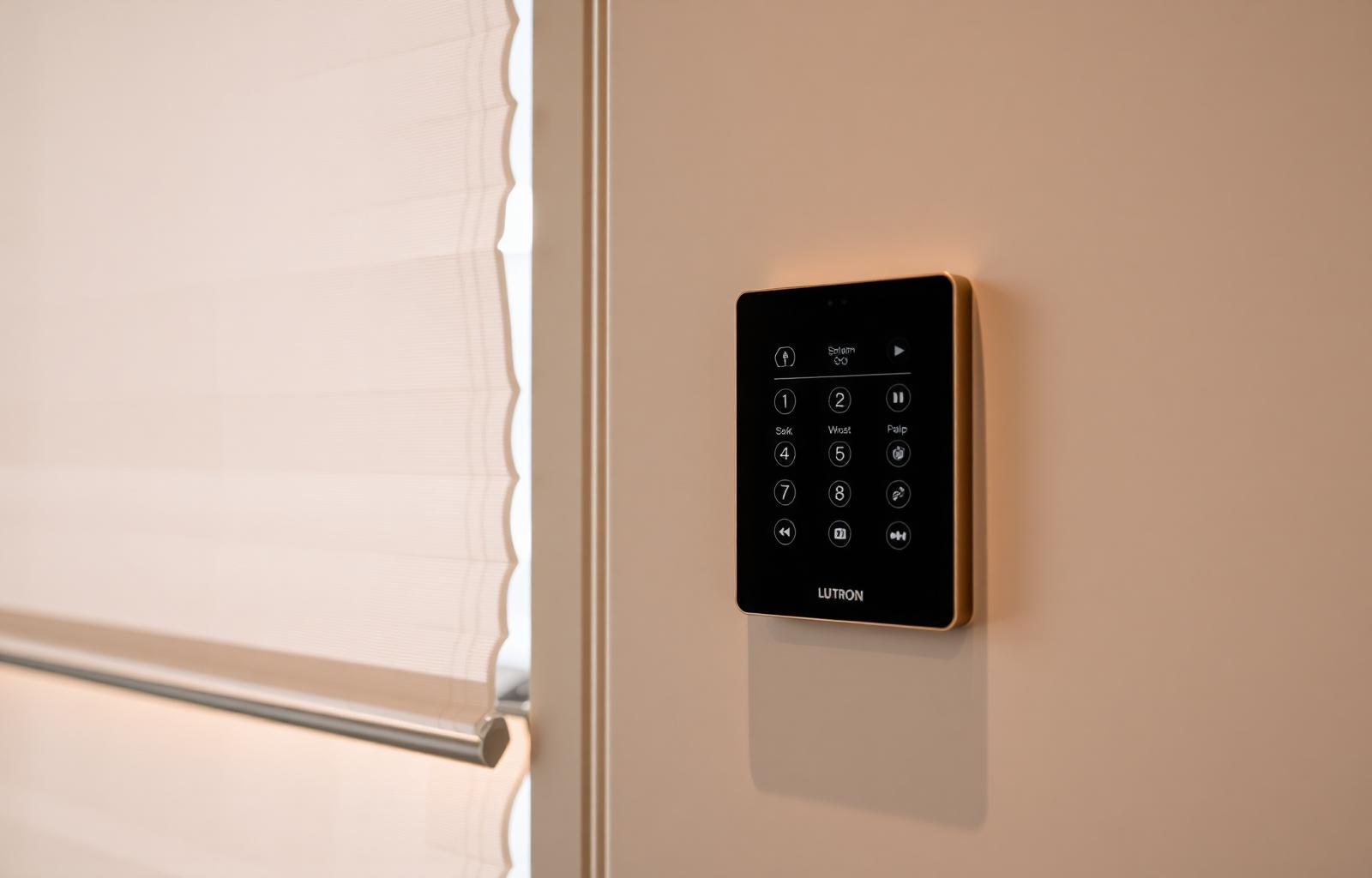
This is the question most homeowners get wrong, and the mistakes are expensive. Not every motorized shade speaks to every smart home system. Blinds Couture is certified to integrate with the major control platforms, and the integration path matters.
Lutron is the most-specified luxury platform in Denver. Lutron motors, switches, and keypads work seamlessly with Lutron shading. If a home is already on Lutron lighting, Lutron shading is almost always the right answer because the keypads, scenes, and app are unified.
Hunter Douglas PowerView is the native motorization system for Hunter Douglas treatments, including Silhouette, Pirouette, Luminette, Duette, and Designer Roller. PowerView integrates with Control4, Crestron, Savant, and major voice platforms, which is what makes Hunter Douglas the most flexible choice for homes with mixed smart-home infrastructure.
Crestron and Control4 are full-home automation platforms typically specified during construction by an AV integrator. Both integrate cleanly with Hunter Douglas PowerView and with several other motor lines. If your home is being designed around Crestron or Control4, your AV integrator and Blinds Couture should be in the same conversation early.
Savant and Apple HomeKit are increasingly common in newer Denver builds. Hunter Douglas, Lutron, and several specialty motors support these platforms natively.
Motorized Drapery, Not Just Shades
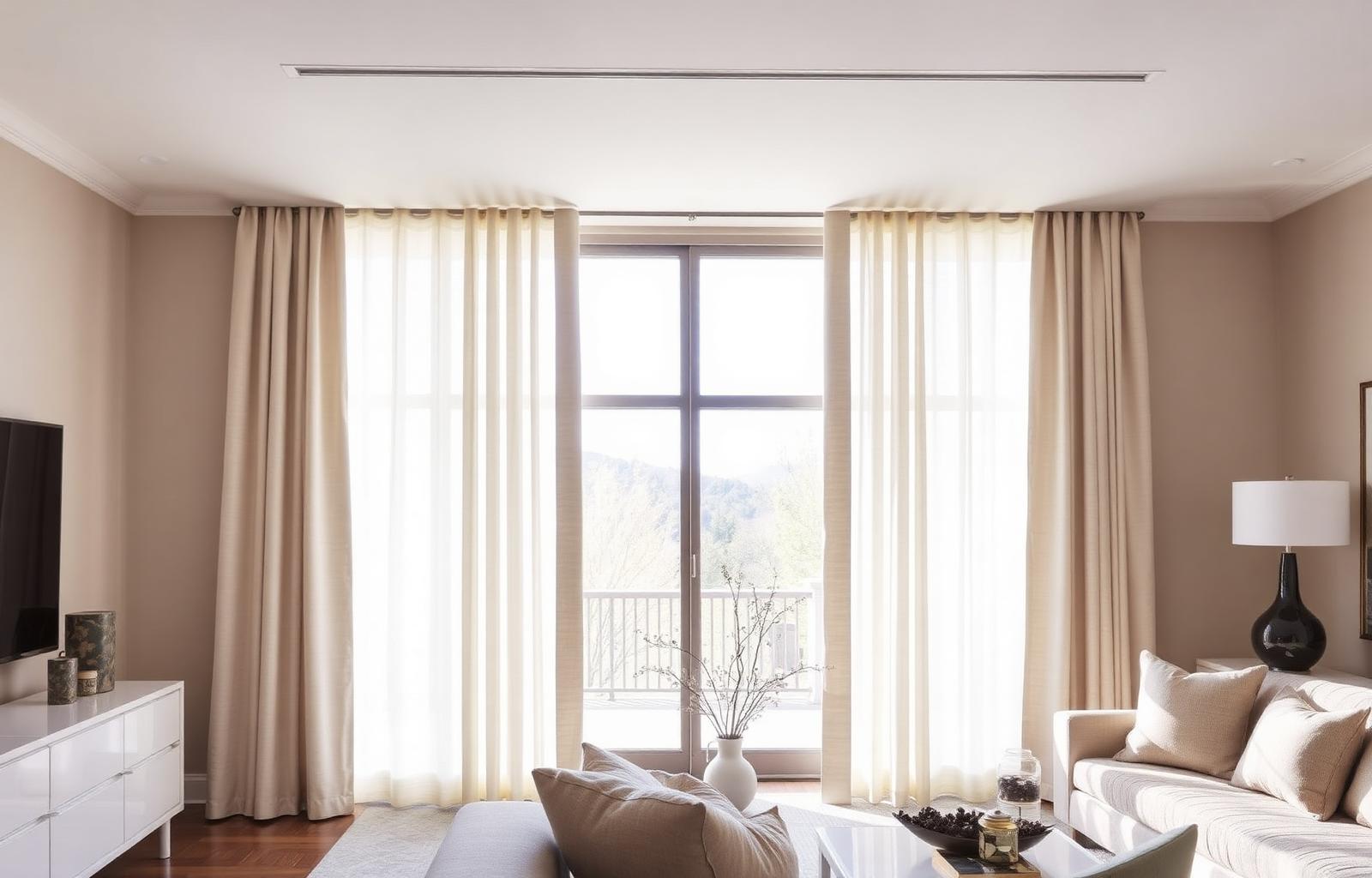
The most overlooked category is motorized custom drapery. Quiet, ribbon-driven drapery tracks pull full-length panels open and closed on a schedule or scene. For tall living rooms, primary bedrooms, and media rooms where layered treatments are the design goal, motorized drapery transforms how the room is used. The panels close automatically at sunset, open with the morning scene, and operate at a sound level that is genuinely inaudible at a normal conversational distance.
Scenes, Schedules, and How People Actually Use Motorization
Homeowners new to motorization often imagine they will use the app on their phone constantly. They do not. Within a month of installation, every successful project converges on the same pattern.
Two or three scenes handle ninety percent of daily use. A morning scene raises the bedroom and primary living shades. An evening scene closes everything in the great room and lowers the bedroom shades for privacy. A media scene drops the family room treatments to full blackout. These scenes live on keypads near light switches and on the homeowner's phone.
Automated schedules handle the rest. Sun-tracking schedules drop south-facing shades during the hottest hours of summer afternoons and raise them automatically as the sun rotates. Winter schedules can reverse this behavior to let passive solar warm a great room in the mornings.
What to Plan for Before the Walls Close
If you are building or remodeling, decide on motorization before drywall. Even if you are not ready to commit to a specific motor brand, running low-voltage cabling to the head of each large window is a small line item during construction and a major expense to retrofit. Pre-wiring also opens the door to hardwired motors, which are quieter, faster, and never need battery service.
If you are working with an existing home, battery motors solve almost every retrofit. The technology has matured to the point where, for nearly any shade, drapery, or shutter type, a quiet, fast, app-controlled treatment is available without opening a wall.
What Cannot Be Motorized (and What Can)
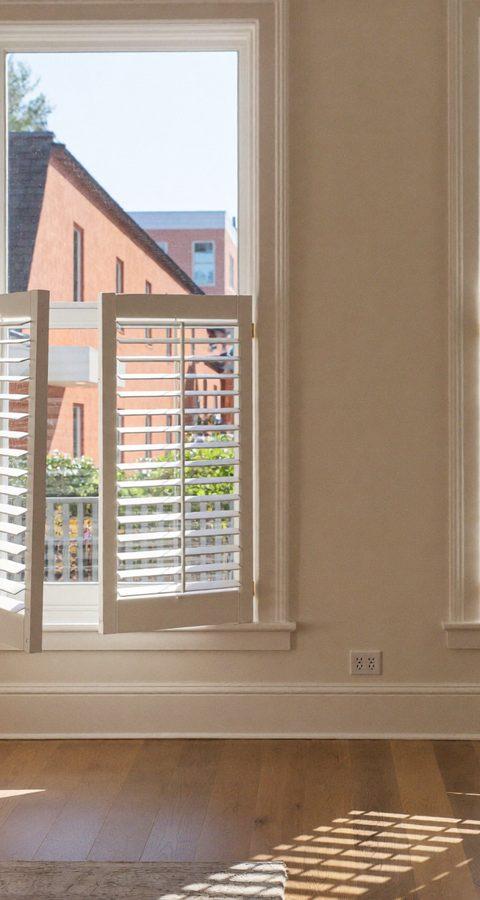
Almost every modern window treatment is available motorized. Roller shades, solar shades, woven woods, romans, cellular shades, sheers, and silhouettes all motorize cleanly. Wood blinds and vertical blinds motorize, although the use case is narrower. Plantation shutters can be motorized for tilt control, which is the right answer for tall shutter installations where reaching the tilt rod is impractical.
If a treatment cannot be motorized for technical reasons, we say so during consultation rather than after the deposit.
Working with Blinds Couture on Automation
A motorized project at Blinds Couture begins with the same in-home consultation as any other treatment. We add a layer of questions about your existing smart home infrastructure, your daily light patterns, and which windows are giving you problems today. From there we coordinate with your electrician, builder, or AV integrator as needed. For pure retrofits, no coordination is required; battery motors install the same day the shades arrive.
If you are starting from scratch with how to think about window treatments overall, our elegant window treatment ideas guide is the right place to begin.
Frequently Asked Questions
How loud are motorized shades and drapery?
Modern premium motors are nearly silent. Lutron and Hunter Douglas hardwired motors operate at a sound level comparable to a soft whisper at a few feet away. Battery motors are slightly more audible but still quiet enough for bedrooms and media rooms.
Will motorized shades still work if the internet goes down?
Yes. Keypads and remotes communicate directly with the motors over local radio frequency, independent of your home internet. The phone app and voice control require connectivity, but core operation does not.
Can I motorize shades I already own?
In most cases, no. Motorization is engineered into the shade during manufacturing. Retrofit motor kits exist for a narrow range of treatments but rarely match the reliability or finish of a purpose-built motorized shade. The right approach is usually to replace the treatment with a motorized version of the same style.
How often do batteries need to be charged?
On a typical roller, cellular, or roman shade with two daily operations, a fully charged battery lasts roughly a year. Larger or heavier shades cycle the battery faster. Solar-assist charging extends battery life significantly on sun-facing windows.
Should I pre-wire for motorized shades in new construction?
Yes, always. Even if you have not selected a brand, running low-voltage cable to the head of every large window during framing is inexpensive and preserves every option. Retrofitting wire after drywall is the single most common regret on motorization projects. Book a complimentary planning consultation early in the build.
Serving Denver since 1999
Blinds Couture Showroom
590 Quivas St
Denver, CO 80204
(720) 729-0091
Blinds Couture
Denver's premier custom window treatment studio
With over 25 years serving Colorado homeowners and designers, Blinds Couture brings expert knowledge in custom drapery, blinds, shades, shutters, and motorized window treatments. Our team combines design expertise with hands-on craftsmanship to create beautiful, functional spaces.
Learn more about our team