Solar vs. Roller Shades: Which is the One for your Home?
Solar vs. Roller Shades: Is one better than the other? Let Blinds Couture help you decide the best for your home. Book a complimentary consultation now
Updated October 5, 2026
Solar vs. Roller Shades: Which is the One for Your Home?
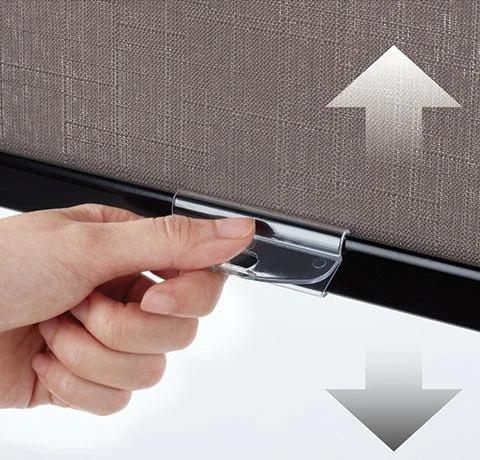
Roller shades and solar shades look nearly identical at first glance. Both consist of a single panel of material that rolls around a tube at the top of the window. Both offer clean, minimal profiles that complement modern, transitional, and contemporary interiors. Both are available in cordless and motorized configurations. And both are among the most popular window treatments Blinds Couture installs across Denver and Colorado.
The difference between them is not in how they operate. It is in what the material does with light.
Understanding that distinction determines which product belongs in each room of your home. In many cases, the answer is both. Solar shades in the living room, roller shades in the bedroom. Solar shades on the west-facing wall, roller shades everywhere else. The right choice depends on what you need each window to do.
Roller Shades: The Versatile Foundation
Roller shades are the broader category. They encompass any shade that uses a rolling mechanism to raise and lower a single panel of fabric. The fabric options range from sheer light-filtering materials that softly diffuse sunlight to dense blackout materials that eliminate light transmission entirely.
A roller shade is defined by its fabric, and the fabric determines the shade's personality. A light-filtering roller shade in a cream linen texture creates a warm, diffused glow. A blackout roller shade in a matte charcoal provides total darkness. A textured woven roller shade adds depth and organic interest. The same operating system accommodates all of them.
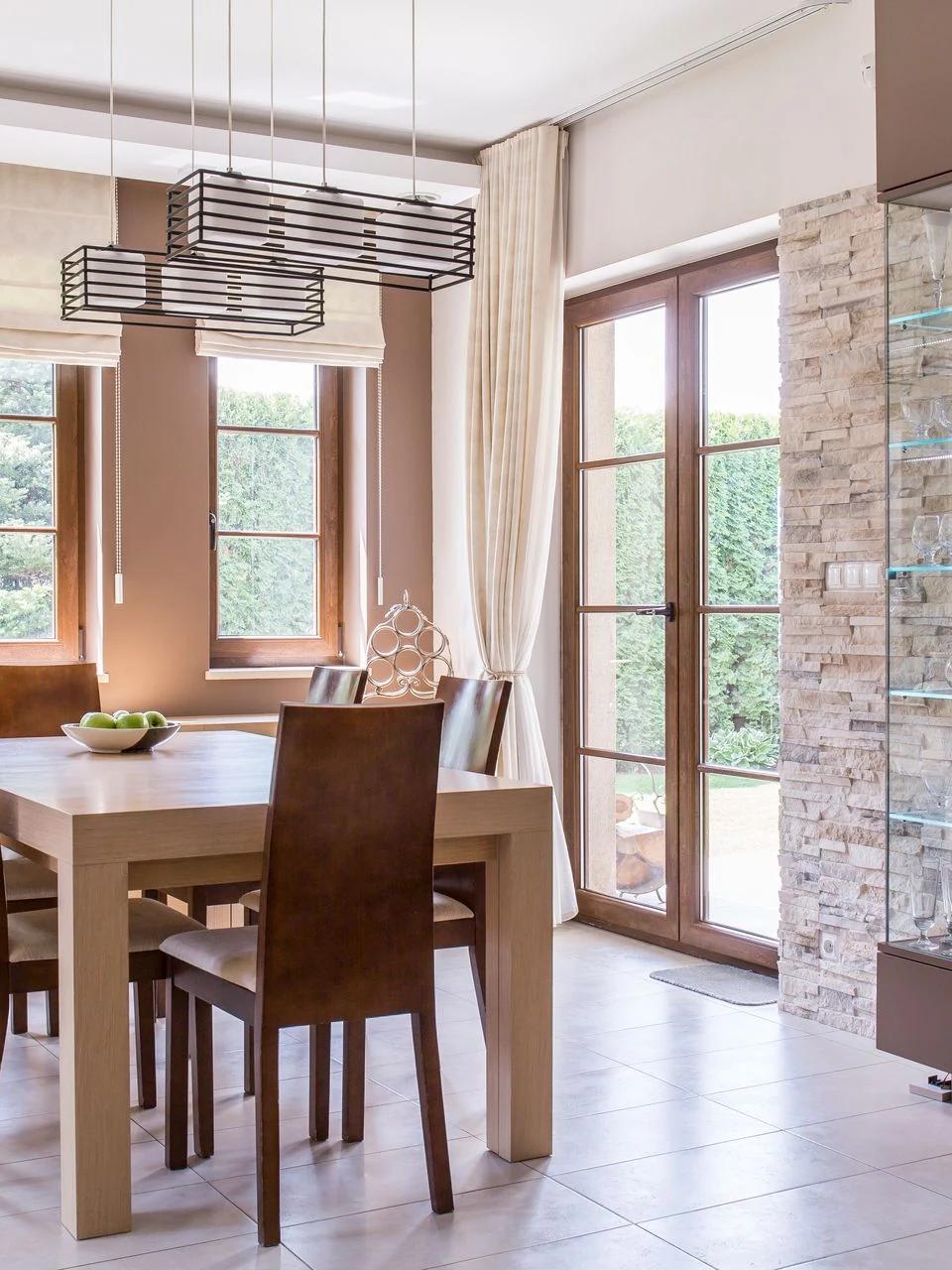
Roller shades are the most versatile shade category because they serve virtually every room and function. Bedrooms get blackout rollers. Living rooms get light-filtering rollers. Home offices get glare-reducing rollers. Bathrooms get moisture-resistant rollers. The material changes, but the clean, architectural profile remains consistent throughout the home.
In Denver homes, roller shades are the workhorse window treatment. They sit behind decorative drapery in layered configurations. They stand alone on kitchen windows where simplicity matters. They motorize beautifully for hard-to-reach windows. And they disappear almost completely into a headrail cassette when raised, leaving the window fully open.
Solar Shades: Engineered for Light and View
Solar shades are a specific subset of roller shades made from an open-weave mesh material designed to do something no other window treatment does: reduce glare and UV radiation while maintaining your view of the outdoors. The fabric is engineered with tiny perforations that allow you to see through the shade from inside while reducing the intensity of incoming sunlight.
The defining characteristic of a solar shade is its openness factor, which is expressed as a percentage. The openness factor tells you how much of the fabric's surface area consists of open space between the woven fibers.
1% openness provides the tightest weave and the most UV and glare reduction. The shade significantly dims incoming light and reduces the view-through. From outside, the shade provides strong daytime privacy. At night, interior lights silhouette through the fabric, reducing privacy.
3% openness is the most popular choice for Denver homes. It balances excellent glare reduction with a clear view of the outdoors. You can see your yard, the mountains, and the streetscape while the shade knocks down the harsh intensity of Colorado's high-altitude sunlight. Daytime privacy is good. Nighttime privacy requires a secondary treatment or supplemental shade.
5% openness offers the most view-through and the most light transmission. The shade reduces glare but maintains a bright, open room. This works well in spaces where preserving natural light is the priority and the windows face north or east where direct sun exposure is minimal.
10% openness is the most transparent option. It provides minimal glare reduction and UV filtering while maintaining almost full visibility. This level of openness is used in spaces where the view is paramount and light control is secondary.
The Key Differences That Matter
Light control. Roller shades span the entire spectrum from sheer to blackout. Solar shades occupy a narrow band within the light-filtering range. If you need any room darker than moderately filtered, a roller shade with an appropriate fabric is the right product. If your goal is to reduce glare and UV while keeping the room bright and connected to the outdoors, a solar shade is purpose-built for that task.
View preservation. This is where solar shades dominate. A standard light-filtering roller shade diffuses light evenly but obscures the view. You can see shapes and light through the fabric, but the landscape beyond the window is blurred. A solar shade maintains a clear, defined view of the outdoors. For homes with mountain views, city skylines, or landscaped yards that are part of the interior experience, this distinction matters enormously.
UV protection. Solar shades are specifically engineered for UV filtration. A quality solar shade with 1% to 3% openness blocks 94% to 99% of UV radiation. This protects furnishings, flooring, and artwork from fading. In Colorado, where UV intensity is 25% higher than at sea level due to altitude, this protection is not optional for rooms with significant sun exposure. Roller shades also provide UV protection, but the degree depends on the fabric density and lining rather than a purpose-engineered mesh.
Privacy. Standard roller shades with opaque or blackout fabric provide full privacy day and night. Solar shades provide strong daytime privacy because the brightness outside makes it difficult for someone to see through the mesh into a dimmer interior. At night, the dynamic reverses. Interior lights make the room visible from outside through the shade's open weave. If nighttime privacy matters, solar shades should be layered with a secondary treatment like a blackout roller shade behind them.
Energy efficiency. Both products contribute to energy efficiency, but through different mechanisms. Roller shades with blackout or thermal lining block heat transfer by preventing solar heat gain in summer and reducing radiant heat loss in winter. Solar shades reduce heat gain by filtering direct sunlight before it enters the room while maintaining visible light. In Colorado, where south- and west-facing windows can drive interior temperatures up dramatically on sunny afternoons, solar shades are a highly effective passive cooling strategy.
Aesthetics. From inside the room, the visual difference is subtle but real. A roller shade in a solid fabric reads as a textile panel. It has color, texture, and presence. A solar shade reads as a screen. It has a technical, mesh-like quality that works beautifully in modern and contemporary settings but may not be the right visual fit for traditional or highly decorated interiors.
The Denver Recommendation: Use Both
Most homes benefit from a combination of roller shades and solar shades deployed strategically by room and by window orientation.
South- and west-facing windows in living rooms, great rooms, and home offices are ideal candidates for solar shades. These windows receive the most intense direct sunlight, and solar shades manage glare and UV without sacrificing the view or darkening the room.
Bedrooms call for roller shades with blackout fabric. Sleep quality depends on darkness, and no solar shade provides adequate light blocking for a bedroom. If the bedroom has a view worth preserving during waking hours, a dual shade system with a solar shade in front and a blackout roller behind it delivers both functions.
Kitchens and bathrooms typically perform best with standard roller shades in light-filtering or moisture-resistant fabrics. The view-preservation feature of solar shades is less critical in these spaces, and the ease of cleaning a solid-fabric roller shade is a practical advantage.
Home offices benefit from solar shades when the desk faces a window. Screen glare is the primary enemy of productivity in a window-adjacent workspace, and a 3% or 5% solar shade reduces glare to comfortable levels while keeping the workspace connected to natural light and the outdoor environment.
For a deeper look at solar screen roller shades and how to specify them for your project, see our companion guide: Guide in Using Solar Screen Roller Shades.
Motorization Makes Both Better
Both roller shades and solar shades are available with motorized operation from Hunter Douglas, Lutron, Graber, and Norman. Motorization transforms either product from a manual adjustment into a programmable, automated system. Shades can open with sunrise, close at sunset, respond to a schedule, or adjust based on a single voice command.
For homes with multiple windows running the same product, motorized operation ensures every shade moves in unison. A wall of west-facing solar shades that all lower simultaneously at 3 PM when the afternoon sun hits creates a uniform, intentional appearance that manual operation cannot achieve consistently.
All motorized products from Blinds Couture are cordless by design, meeting current safety standards. For details on cordless operating systems and what to look for, see our guide: The Best Cordless Blinds and Cordless Window Shades for Right Now.
Finding the Right Combination for Your Home
The best way to determine which windows need solar shades and which need roller shades is to walk through your home with a design professional who understands how light moves through each room at different times of day. Blinds Couture's complimentary in-home consultation does exactly that. Your design associate evaluates every window, discusses your goals for each room, and recommends the right product for every opening.
The result is a cohesive window treatment plan where every shade is optimized for the room it serves, and the overall aesthetic feels unified, intentional, and designed.
Book Your Complimentary Design Consultation
Blinds Couture is Denver's premier custom window treatment studio, offering solar shades, roller shades, roman shades, drapery, and more from Hunter Douglas, Graber, Norman, and other premium manufacturers.
Serving Denver since 1999
Blinds Couture Showroom
590 Quivas St
Denver, CO 80204
(720) 729-0091
Blinds Couture
Denver's premier custom window treatment studio
With over 25 years serving Colorado homeowners and designers, Blinds Couture brings expert knowledge in custom drapery, blinds, shades, shutters, and motorized window treatments. Our team combines design expertise with hands-on craftsmanship to create beautiful, functional spaces.
Learn more about our team