Fabric First: How to Choose Elegant Draperies for Luxurious Window Treatments
Learn how to choose the right fabric for custom drapery, from linen to velvet, based on light, privacy, durability, and style for every room in your home.
Updated October 5, 2026
Fabric First: How to Choose Elegant Draperies for Luxurious Window Treatments
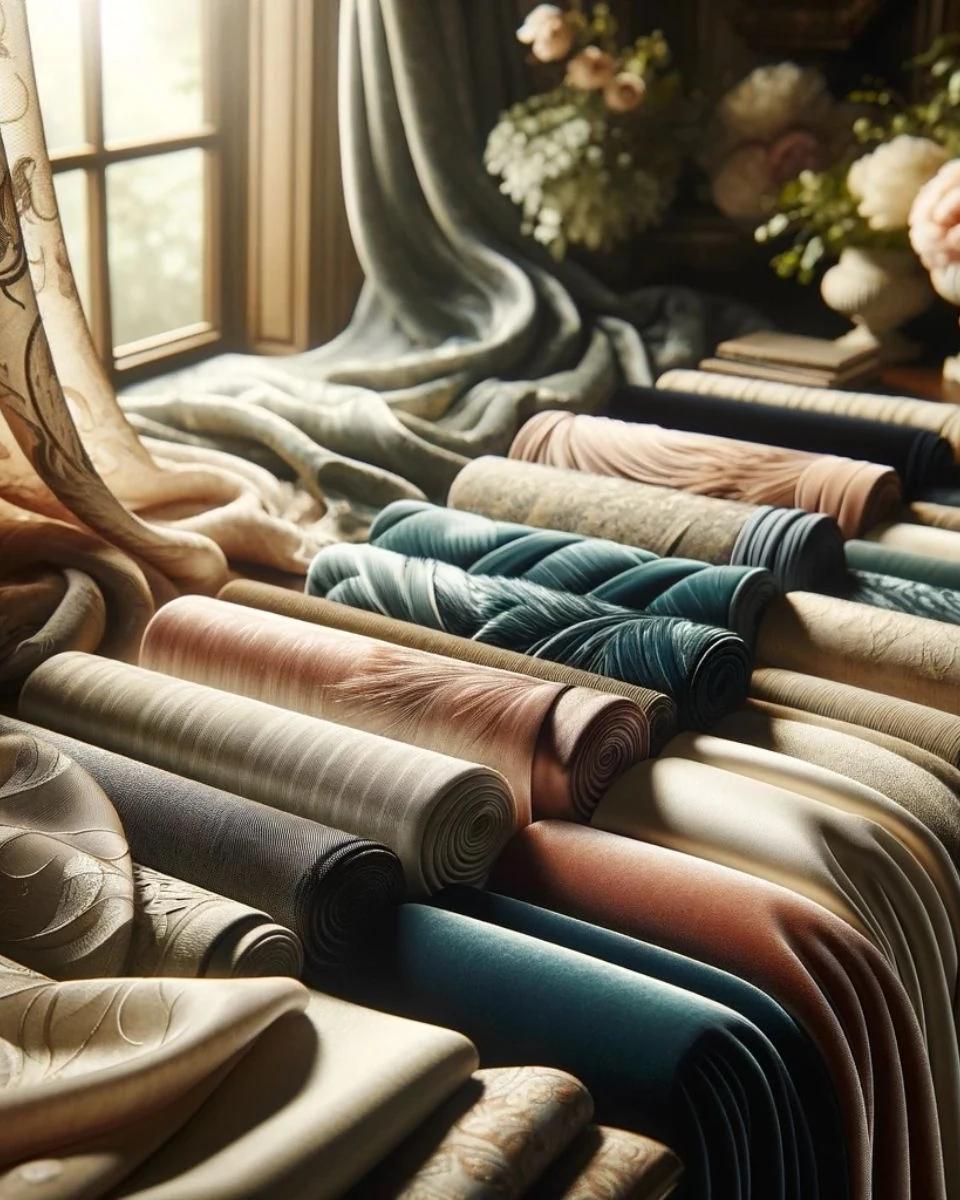
Every exceptional custom drapery project starts with the same decision: fabric. Before you choose a pleat style, before you select hardware, before you discuss lining or motorization, the fabric defines everything. It determines how your panels will drape, how light will move through the room, how the treatment will age, and whether the finished window feels quietly luxurious or simply functional.
Choosing drapery fabric is an intimate decision. It is choosing the texture your hand will brush every time you draw the panel open. It is choosing how your room will glow at golden hour. It is choosing whether your windows whisper or make a statement. This guide walks through every major drapery fabric category, how each performs in real-world conditions, and what to consider when matching fabric to room, to lifestyle, and to Colorado's unique climate.
For a comprehensive overview of the entire custom drapery process, including styles, hardware, and installation, see our pillar guide: The Complete Guide to Choosing Elegant Custom Drapery with Blinds Couture.
Linen: The Effortless Standard
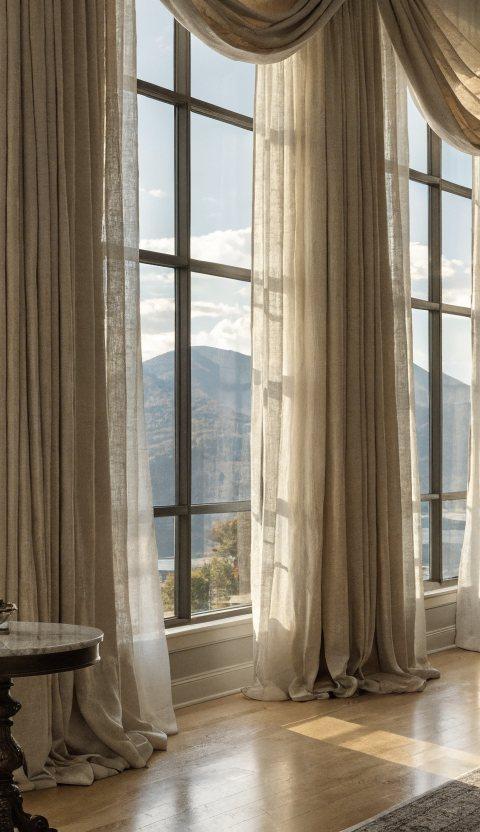
Linen is the most requested drapery fabric among Blinds Couture's Denver clientele, and the reason is straightforward. Nothing hangs quite like linen. The natural fibers create a relaxed, slightly textural drape that reads as effortlessly sophisticated. Linen drapery does not try to impress. It simply belongs.
Pure linen softens over time. The gentle creasing that develops along the fold lines is not a flaw; it is character. In warm minimalism interiors, modern organic living rooms, and transitional mountain homes, linen drapery feels at home in a way that no synthetic can replicate.
There are practical considerations. Pure linen wrinkles. It is part of the fabric's DNA. If the lived-in look appeals to you, linen is perfect. If you prefer crisp, pressed panels, a linen-polyester blend delivers the same visual warmth with greater wrinkle resistance. Linen is also moderately light-filtering rather than light-blocking. For bedrooms or media rooms, linen panels should be paired with a blackout lining or layered over a blackout roller shade.
Linen performs well in Colorado's dry climate. Unlike silk, it does not degrade from low humidity. It breathes naturally, which means it does not trap moisture or develop odor. UV exposure is the primary threat. A quality cotton-poly lining behind the linen panel protects the face fabric from fading while maintaining the soft, organic appearance from inside the room.
Best rooms for linen drapery: Living rooms, dining rooms, home offices, guest bedrooms, and any space where soft, filtered light and relaxed elegance are the goal.
Cotton: Clean, Versatile, and Underrated
Cotton drapery occupies a versatile middle ground. It is heavier than linen, smoother in texture, and accepts dye beautifully, which means the color options are virtually unlimited. Cotton drapes in clean, vertical folds without the rumpled character of linen, making it an excellent choice for traditional and transitional interiors where a more structured look is appropriate.
Cotton canvas and cotton twill are popular weights for drapery. They provide substantial body, hang predictably, and take well to both pinch pleat and Euro pleat headers. Cotton sateen adds a subtle sheen that catches light without the full reflectivity of silk or synthetic satin, creating a quiet glow that elevates bedrooms and formal sitting rooms.
The practical downside of cotton is that it is susceptible to shrinkage if exposed to moisture and can fade in direct sunlight over time. Professional dry cleaning is recommended. In Colorado, where the sun is relentless and the air is dry, cotton drapery benefits significantly from protective lining.
Best rooms for cotton drapery: Bedrooms, formal living rooms, dining rooms, and transitional spaces where color consistency and smooth draping matter.
Silk: The Couture Choice
Silk is the most luxurious natural fiber available for drapery. Its luminous quality, the way it catches and reflects light, creates a depth and richness that no other fabric matches. A silk drapery panel in a dining room transforms the room into something that feels curated at the highest level. The fabric's natural luster shifts with the light throughout the day, creating visual movement that keeps the eye engaged.
Silk is also the most temperamental drapery fabric. It is sensitive to UV light, moisture, and handling. In Colorado, the altitude intensifies UV exposure, which means unlined silk drapery will fade and degrade faster than it would at sea level. Interlining is strongly recommended for silk panels. The flannel interlayer protects the face fabric, adds weight for a better drape, and extends the life of the treatment significantly.
Silk dupioni, with its characteristic slubbed texture, is a popular choice for formal drapery. Silk taffeta offers a smoother, more polished appearance. Both require careful handling and professional cleaning.
For clients who love the look of silk but want lower maintenance, silk-look polyester blends have improved dramatically. The best modern blends capture much of silk's sheen and drape with far greater durability. Your Blinds Couture design consultant can show you both side by side so you can decide where the balance between luxury and practicality falls for your project.
Best rooms for silk drapery: Formal dining rooms, primary bedrooms, sitting rooms, and spaces designed to make an impression.
Velvet: Warmth, Drama, and Acoustic Control
Velvet drapery is a statement. The dense pile creates a rich, tactile surface that absorbs light rather than reflecting it, producing deep, saturated color and a sense of visual weight. Velvet panels add warmth to a room in both aesthetic and literal terms. The fabric's density provides meaningful insulation and sound absorption, making it a practical choice for rooms that face noise exposure or temperature extremes.
In Denver's luxury homes, velvet drapery appears most often in primary bedrooms, libraries, home theaters, and dining rooms. The fabric pairs naturally with pinch pleat and goblet pleat headers, where the weight of the velvet creates full, sculptural folds.
Cotton velvet is the traditional standard, offering a soft hand and rich drape. Synthetic velvet (polyester-based) is more resistant to crushing, easier to clean, and less expensive while still delivering the visual impact of the fiber. Performance velvet blends combine the look and feel of natural velvet with stain resistance and fade protection, making them practical for homes with children, pets, or high-traffic rooms.
Velvet is heavy. Hardware must be scaled to support the weight. Larger-diameter rods, reinforced brackets, and wider ring spacing ensure the panels hang properly and move smoothly along the rod. Your Blinds Couture team accounts for these requirements during the hardware selection phase.
Best rooms for velvet drapery: Primary bedrooms, dining rooms, home theaters, libraries, and any room where warmth, acoustic control, and visual richness are priorities.
Performance Fabrics: Durability Without Compromise
The performance fabric category has evolved beyond recognition in the past decade. What once meant stiff, plastic-feeling textiles now includes beautifully woven, soft-hand fabrics that happen to resist stains, fading, mildew, and wear. For families, pet owners, and high-traffic spaces, performance drapery fabrics deliver peace of mind without sacrificing design quality.
Solution-dyed acrylic fabrics are colorfast at the molecular level, meaning the pigment is part of the fiber itself rather than applied to the surface. This makes them exceptionally resistant to UV fading, which is a significant advantage in Colorado homes with south- or west-facing windows that receive intense afternoon sun.
Crypton and similar branded performance textiles offer spill resistance and easy cleanability. A glass of red wine on a Crypton drapery panel wipes clean. For households where life happens near the windows, this is not a luxury. It is a practical necessity.
The visual range of performance fabrics now includes linen looks, woven textures, subtle patterns, and rich solid colorways that integrate seamlessly with high-end interiors. The days when performance meant compromising aesthetics are long gone.
Best rooms for performance fabric drapery: Kitchens, family rooms, children's rooms, sunrooms, and any space where durability and easy maintenance are essential.
Sheers: Light, Air, and Privacy in Balance
Sheer drapery serves a specific and beautiful purpose. It diffuses light without blocking it, creates privacy without closing off the room, and adds a layer of softness and movement to the window. Sheer panels are rarely the only treatment. They are most effective as part of a layered design, paired with a heavier drapery panel or an operable shade behind them.
Voile, chiffon, and linen sheers are the most common sheer fabrics. Each filters light differently. Voile creates an even, soft glow. Chiffon adds a gentle drape with slight sheen. Linen sheers maintain the organic texture of the fiber while allowing light to pass through in a warm, diffused wash.
In Denver homes, sheer drapery is frequently used in living rooms and dining rooms where the view matters. The panels soften the window frame and reduce glare without obscuring the landscape beyond. For bedrooms, sheers alone are rarely sufficient. Layering sheers with blackout Roman shades or blackout-lined heavier panels provides the best of both worlds: daytime beauty and nighttime darkness.
Best rooms for sheer drapery: Living rooms, dining rooms, sunrooms, and as the inner layer of a two-layer drapery treatment in bedrooms.
Woven and Textured Fabrics: Depth Through Detail
This category includes grasscloth-inspired weaves, bouclé, tweed, herringbone, and other fabrics where the texture itself is the design feature. Woven drapery adds visual depth and tactile interest to rooms that rely on neutral color palettes. When the color story is restrained, texture does the heavy lifting.
These fabrics are a natural fit for mountain homes, ranch-style residences, and modern organic interiors across the Colorado Front Range. They ground a room without darkening it, and they pair beautifully with natural wood, stone, and leather.
The weave structure affects both drape and light filtration. Looser weaves allow more light to pass through and create a casual, relaxed panel. Tighter weaves block more light and create a more structured fall. Your Blinds Couture design associate helps you match the weave density to the functional requirements of each room.
Best rooms for woven and textured drapery: Mountain homes, living rooms, dens, home offices, and spaces with neutral palettes that need textural contrast.
How Colorado's Climate Shapes Fabric Selection
Every fabric recommendation from Blinds Couture accounts for the specific conditions of Colorado living. The factors that matter most include intense UV exposure at altitude, low humidity that affects fiber behavior, significant temperature swings between seasons (and sometimes within a single day), and the desire for energy efficiency in homes that face both winter cold and summer heat.
UV protection is the most critical factor. Without proper lining, even the most beautiful drapery fabric will fade within a few years of sun exposure. Every custom drapery panel from Blinds Couture includes professional lining selected to match the fabric weight, the room's light conditions, and your performance goals.
Low humidity means natural fibers like linen and cotton remain stable and comfortable. Silk, however, can become brittle over time in very dry environments. Proper interlining and climate control mitigate this.
For energy efficiency, heavier fabrics with thermal or blackout lining reduce heat transfer through windows. In a state where heating costs dominate winter utility bills and air conditioning runs hard against July afternoon sun, well-chosen drapery fabric contributes meaningfully to home comfort and energy savings.
Starting Your Fabric Selection
The process begins with a complimentary in-home consultation. Your Blinds Couture design associate arrives with curated fabric samples selected for your project based on the initial conversation about your style, your room, and your goals. You see and touch the fabrics in your own space, under your own light, against your own furnishings. That is how the right choice becomes obvious.
Fabric selection is where custom drapery becomes personal. It is the decision that makes the treatment yours. Let Blinds Couture's design team help you find exactly the right material for every window in your home.
Book Your Complimentary Design Consultation
Blinds Couture partners with premier fabric houses and sources materials from around the world to offer Denver homeowners the finest drapery fabrics available. Every panel is custom fabricated by Roseworks Fabrication in Westminster, Colorado.
Serving Denver since 1999
Blinds Couture Showroom
590 Quivas St
Denver, CO 80204
(720) 729-0091

Blinds Couture
Denver's premier custom window treatment studio
With over 25 years serving Colorado homeowners and designers, Blinds Couture brings expert knowledge in custom drapery, blinds, shades, shutters, and motorized window treatments. Our team combines design expertise with hands-on craftsmanship to create beautiful, functional spaces.
Learn more about our team