The Complete Guide to Choosing Elegant Custom Drapery with Blinds Couture
Discover how to elevate your interior space with elegant custom drapery from Blinds Couture. Explore essential tips for choosing the perfect design to complement your home.
Updated October 5, 2026
The Complete Guide to Choosing Elegant Custom Drapery with Blinds Couture
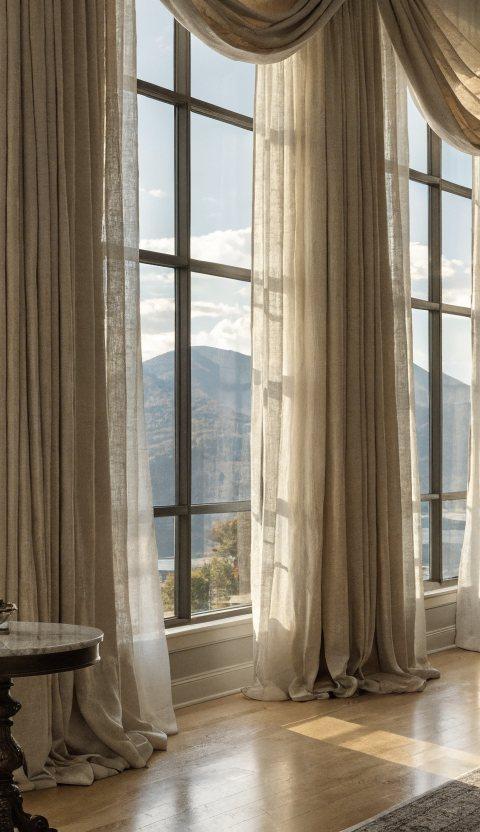
There is a moment in every design project when the room shifts from constructed to complete. More often than not, that moment belongs to the drapery. Custom drapery transforms architecture into atmosphere. It introduces softness where there was none, warmth where a room felt hollow, and dimension where flat walls offered nothing to hold the eye. For homeowners across Denver, the Colorado Front Range, and mountain communities from Telluride to Vail, custom drapery is not a finishing touch. It is the design element that makes every other choice in the room make sense.
This guide walks through every consideration that goes into choosing, designing, and installing elegant custom drapery for your home. Whether you are starting a new construction project, renovating a single room, or rethinking an entire residence, understanding what separates exceptional drapery from ordinary window covering is the first step toward a space that feels intentionally yours.
Why Custom Drapery Changes Everything
Ready-made curtains from a retail shelf share one thing in common: they were designed for no one in particular. Standard panel lengths of 84 or 96 inches rarely align with your actual window dimensions. The fabric weight does not account for how your room holds light at different hours. The lining was chosen for cost efficiency, not for how well it protects your furnishings from Colorado's intense UV exposure. The result is a room that looks close, but never quite finished.
Custom drapery begins with your exact window. Every measurement is taken on-site by a professional who understands how fabric hangs, how headers interact with hardware, and how the relationship between rod placement and ceiling height changes the visual proportion of an entire wall. The difference is not subtle. It is the difference between a garment tailored to your body and one pulled from a rack.
At Blinds Couture, the custom drapery process is built around a concierge model. Your design consultation begins with listening. The team's goal is to understand how you use the room, how light moves through it at different times of day, what level of privacy you need, and what design direction excites you. From there, the recommendations follow naturally.
Understanding Drapery Styles
The visual identity of your drapery is shaped by two primary decisions: the pleat style and the fullness of the panel. Together, these choices determine whether your window feels structured and formal or relaxed and organic.
Pinch Pleat is the most classic drapery header. Fabric is gathered into evenly spaced clusters, typically two-finger or three-finger configurations, creating crisp vertical folds that cascade from ceiling to floor. Pinch pleat drapery reads as polished and intentional. It pairs beautifully with traditional, transitional, and modern interiors that call for clean vertical lines.
Euro Pleat (also called Parisian pleat) shares the gathered structure of a pinch pleat but leaves the top of each cluster open rather than stitched tight. This creates a slightly softer, more contemporary silhouette. Euro pleats are a favorite among Denver interior designers working in warm minimalism and modern organic aesthetics.
Ripple Fold delivers a continuous, uniform wave of fabric across the width of the window. It is the most minimal header style, ideal for modern and contemporary spaces where clean horizontality matters. Ripple fold drapery runs on a track system rather than rings, creating uninterrupted visual flow.
Goblet Pleat features a tulip-shaped cup at the top of each pleat, adding a sculptural, couture-level detail. This style is reserved for formal rooms where the drapery is as much an art piece as the furnishings below it.
Rod Pocket and Tab Top styles fall on the casual end of the spectrum. Fabric threads directly onto the rod, creating soft gathers. These work in relaxed settings like guest bedrooms, reading nooks, and mountain homes where the mood is inviting rather than formal.
Understanding these styles is critical because they affect not only how the drapery looks but how much fabric is required, how the panels stack back when open, and which hardware systems are compatible.
Choosing the Right Fabric
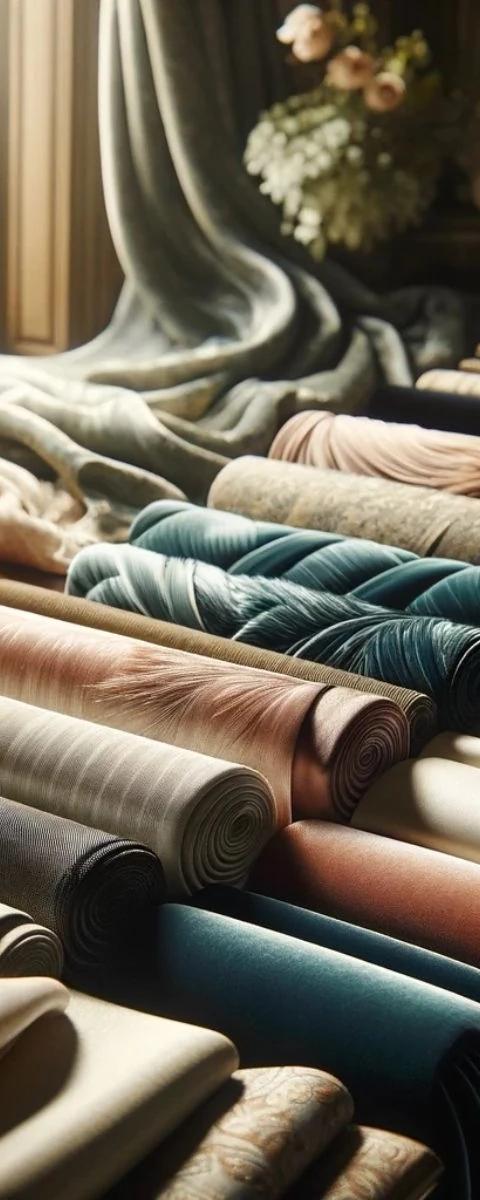
Fabric selection is where custom drapery separates itself entirely from anything off the shelf. The fabric is the soul of the treatment. It determines how the panels drape, how they filter or block light, how they age, and how they interact with every other textile and surface in the room.
For a detailed exploration of fabric types and their best applications, see our companion guide: Fabric First: How to Choose Elegant Draperies for Luxurious Window Treatments.
In broad strokes, the primary fabric categories for drapery include natural fibers like linen, cotton, and silk; synthetic performance fabrics like polyester blends and solution-dyed acrylics; and woven textiles like wool, chenille, and velvet. Each has a personality. Linen is light, textural, and effortlessly sophisticated. Velvet is rich, insulating, and dramatic. Performance blends offer durability for high-traffic rooms and homes with children or pets without sacrificing visual refinement.
Colorado's climate introduces a unique set of considerations. The intensity of UV light at altitude accelerates fabric fading faster than at sea level. Homes with large west-facing windows need fabrics with strong UV resistance or drapery lined with protective interlining. Dry air means static can be an issue with certain synthetics. Your Blinds Couture design consultant factors all of this into the recommendation, selecting fabrics that perform beautifully in the specific conditions of your home.
The Role of Lining
Lining is one of the most underestimated decisions in custom drapery. It is invisible from the front of the panel, but it fundamentally shapes performance.
Standard lining adds body to the drape, protects the face fabric from UV damage, and provides a uniform appearance from the exterior. Every custom drapery panel should have at minimum a standard cotton-poly lining.
Blackout lining eliminates light transmission entirely. It is essential for bedrooms, media rooms, and any space where light control is paramount. Blackout-lined drapery also provides superior insulation, reducing heat transfer through the window, which is a real advantage in Colorado homes that face intense afternoon sun in summer and subzero temperatures in winter.
Interlining is a layer of soft flannel placed between the face fabric and the lining. It adds weight, improves the hang of lightweight fabrics, and creates a rich, luxurious drape that lighter panels cannot achieve on their own. Interlining transforms good drapery into exceptional drapery.
Thermal lining is engineered for energy efficiency. It reflects heat in summer and retains warmth in winter. For homes in mountain communities where temperature swings are extreme, thermal-lined drapery contributes meaningfully to comfort and energy cost reduction.
Hardware: The Architecture of the Treatment
Drapery hardware is structural and decorative simultaneously. The rod, finials, brackets, and rings are the frame that holds the composition together. Choosing hardware that complements both the drapery style and the room's architectural character is essential.
For a deeper look at hardware options and how they interact with different drapery styles, visit our Drapery Hardware page.
Decorative rods with finials are ideal for traditional, transitional, and eclectic interiors. Metals like brushed brass, matte black, and antique bronze are the most requested finishes across Denver's luxury market. The rod diameter should be proportional to the weight of the fabric and the width of the window. Heavier fabrics like velvet demand larger-diameter rods.
Track systems are the preferred choice for ripple fold, contemporary, and ceiling-mounted installations. Tracks can be recessed into crown molding or mounted behind architectural soffits for a completely concealed look. Motorized track systems from brands like Lutron integrate seamlessly with home automation, allowing you to open and close drapery with a remote, a wall switch, or voice command.
Rings and clips offer versatility. They allow panels to slide freely along the rod and can be used with multiple pleat styles. Ring finishes should coordinate with other metal elements in the room, including light fixtures, cabinet hardware, and furniture accents.
The Fabrication Process
At Blinds Couture, custom drapery is not outsourced to a factory across the country. Every panel is fabricated in-house at our sister company, Roseworks Fabrication, in Westminster, Colorado. This gives our clients a level of quality control, turnaround speed, and design collaboration that national retailers simply cannot match.
For interior designers, architects, and trade professionals, this local fabrication model is a significant advantage. Learn more in our article: Local Custom Drapery Fabrication Raises The Bar on Customer Service for Interior Designers.
The fabrication process follows a precise sequence. After your design consultation and on-site measurements, your design associate selects and orders the approved fabrics. Once materials arrive, the workroom team cuts, sews, lines, and presses each panel to specification. Headers are constructed by hand. Hems are weighted for a clean, floor-length hang. Every panel is inspected before it leaves the workroom.
Installation is handled by Blinds Couture's own crew, not a subcontracted handyman. Professional installation matters because the most exquisite drapery in the world looks mediocre if it is hung incorrectly. Proper bracket placement, level alignment, and panel training (steaming and adjusting the fabric to fall in uniform folds) are the final steps that bring the design to life.
Styling Your Drapery: Layering and Pairing
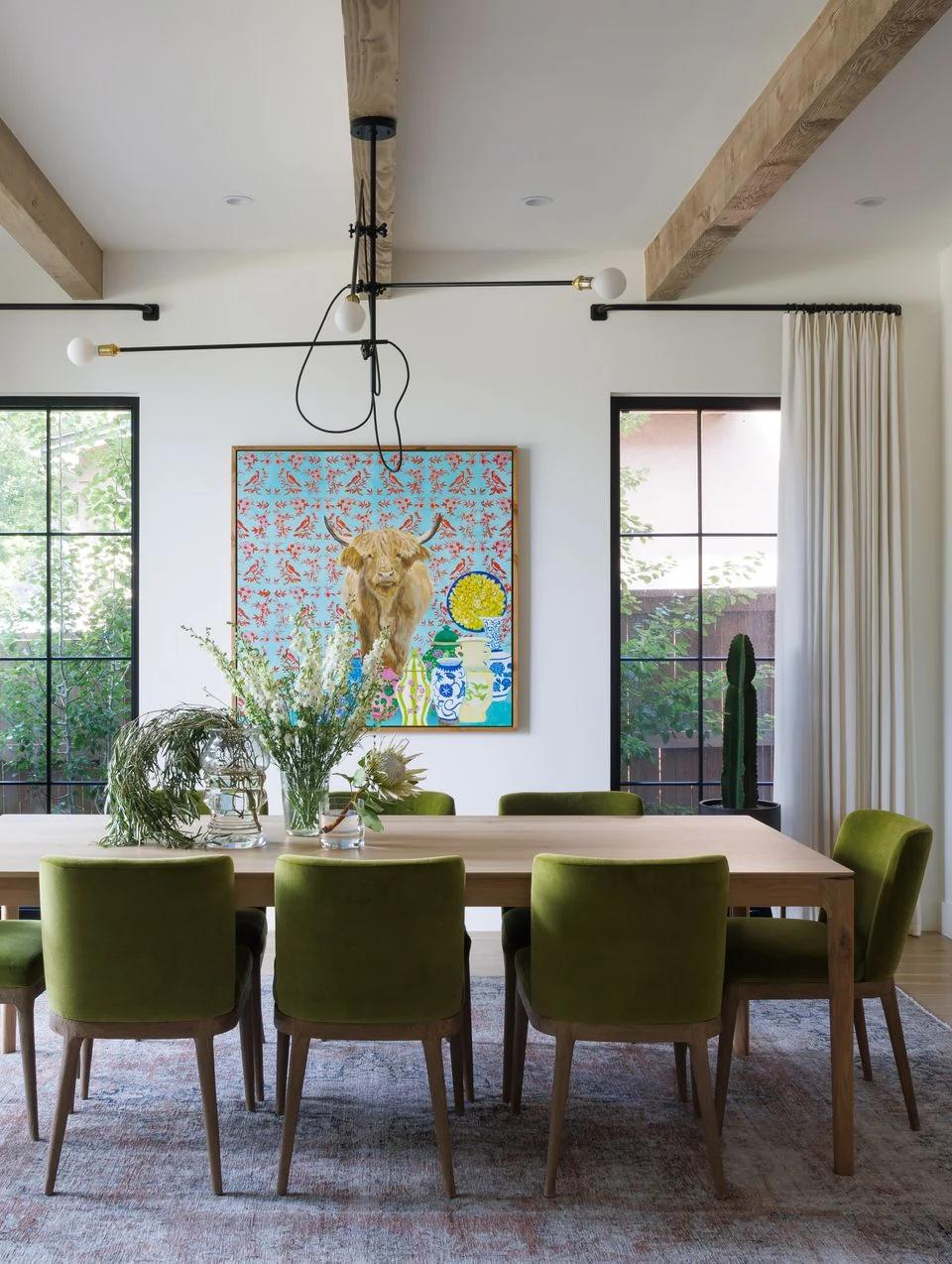
Custom drapery rarely exists in isolation. The most compelling window treatments are layered. Drapery panels frame the window while a secondary treatment, such as a Roman shade, roller shade, or sheer, handles the functional work of light control and privacy during the day.
For inspiration on combining treatments and styling your windows with intention, read Style your Home Like a Pro with Custom Window Drapes.
Popular layering combinations in Denver homes include pinch pleat drapery over motorized roller shades for bedrooms that need blackout capability with daytime elegance. Sheer drapery paired with woven wood shades creates a warm, organic feel in living rooms and dining rooms. Floor-to-ceiling panels flanking a large picture window, combined with nothing else, let the Colorado views do the work while the drapery adds warmth and softness to the room's edges.
What to Expect: Timeline and Investment
Custom drapery is a made-to-order product. The timeline from initial consultation to completed installation typically ranges from six to ten weeks, depending on fabric availability, the complexity of the design, and the scope of the project. Larger whole-home projects may require phased installation.
The investment varies based on window size, fabric selection, lining, hardware, and the number of panels. What custom drapery delivers in return is a window treatment designed, fabricated, and installed specifically for your home, with materials selected to perform in your environment, and craftsmanship that will hold up for years.
Blinds Couture offers complimentary in-home design consultations across the Denver metro area and throughout Colorado. Your design associate brings fabric samples, measures your windows, discusses your vision, and provides a detailed proposal with transparent pricing. No guesswork. No surprise costs.
Begin Your Custom Drapery Project
The right drapery changes how a room feels the moment you walk in. Light softens. Proportions shift. The space feels finished, intentional, and unmistakably yours.
Blinds Couture's design team is ready to guide you through every decision, from the first fabric swatch to the final installation. Book your complimentary design consultation and discover what custom drapery can do for your home.
Blinds Couture is Denver's premier custom window treatment studio, serving homeowners, interior designers, and builders across Colorado. Our sister company, Roseworks Fabrication, handcrafts every custom drapery panel in our Westminster, Colorado workroom.
Serving Denver since 1999
Blinds Couture Showroom
590 Quivas St
Denver, CO 80204
(720) 729-0091

Blinds Couture
Denver's premier custom window treatment studio
With over 25 years serving Colorado homeowners and designers, Blinds Couture brings expert knowledge in custom drapery, blinds, shades, shutters, and motorized window treatments. Our team combines design expertise with hands-on craftsmanship to create beautiful, functional spaces.
Learn more about our team