Window Treatment Ideas for Dining Rooms
Are you looking for window treatment for your dining room? Learn more about window treatment ideas and guides with Blinds Couture in Denver CO.
Updated October 5, 2026
Window Treatment Ideas for Dining Rooms
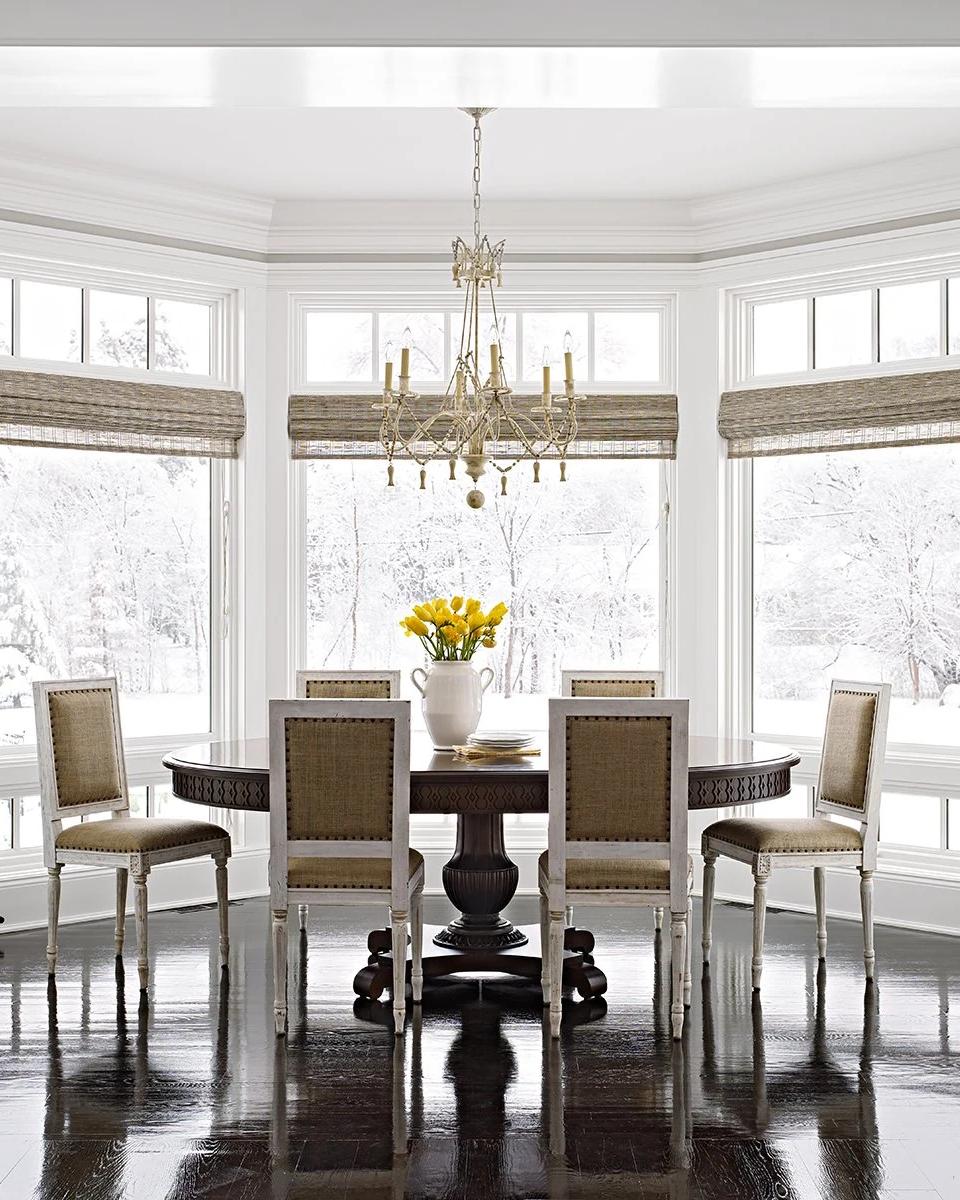
The dining room is theater. It is the room where light, texture, and proportion converge to create an atmosphere that shapes how food tastes, how conversation flows, and how guests feel from the moment they sit down. The window treatment in a dining room is not background. It is one of the most active design elements in the composition, working with the chandelier, the table, and the wall finish to create the room's personality.
Denver homeowners who invest in their dining rooms understand this instinctively. The table is selected with care. The lighting is considered. The art is placed with intention. The window treatment should receive the same level of thought, because it controls the one element no other furnishing can: how natural light enters the space and how the room transitions from a daylit gathering point to an intimate evening setting.
What Makes Dining Room Treatments Different
Dining rooms occupy a unique position in window treatment design. They are formal enough to warrant richness and visual weight, but they are also functional spaces where treatments need to manage light, accommodate seasons, and withstand the occasional splatter from a spirited dinner party. The treatment should enhance the room's drama during evening meals while maintaining a welcoming brightness during daytime use.
The most successful dining room treatments share three characteristics. They add visual weight proportional to the room's furnishings. They provide adjustable light control for the range of activities the room hosts. And they introduce a material or texture that enriches the room's palette without competing with the table setting or the centerpiece.
Drapery-Forward Designs
Drapery is the native language of dining room window treatment design. The scale of floor-to-ceiling fabric panels matches the visual weight of a dining table, a buffet, and a statement chandelier. The fabric adds the softness and warmth that hard surfaces like wood flooring, stone, and glass cannot provide on their own.
Pinch pleat drapery in a textured neutral is the most versatile dining room treatment. The structured header creates formal, even folds. The neutral fabric works across seasons and tablescaping changes. The floor-length panels frame the window and anchor the wall in a way that makes the entire room feel more intentional.
Velvet drapery is the dining room's power move. In rooms that host evening entertaining, the weight and sound absorption of velvet transform the acoustic environment. Conversation becomes more intimate. Candlelight glows deeper against the fabric's pile. The room feels warmer and more enclosed, which is exactly the mood a dining room should create after dark.
Patterned drapery introduces personality. A bold geometric, a subtle damask, or a large-scale botanical print on drapery panels gives the dining room a signature element that elevates the design beyond solid neutrals. The pattern should relate to something else in the room, whether it is the wallpaper, the upholstery on the dining chairs, or the color of the chandelier's finish.
For a deep exploration of drapery fabrics and how to select them, see: Fabric First: How to Choose Elegant Draperies for Luxurious Window Treatments.
Roman Shades for Tailored Elegance
In dining rooms where drapery panels are not practical due to window configuration, wall space, or design preference, roman shades provide a tailored, fabric-forward alternative. A hobbled roman shade in a rich fabric delivers the visual warmth and texture of drapery in a more contained profile.
Hobbled roman shades with their cascading folds are the most popular shade style for dining rooms. The continuous fabric waterfall adds dimension and softness that flat or relaxed styles cannot match. In a linen-blend fabric with blackout lining, a hobbled roman shade manages light effectively while serving as a design element worthy of the room.
Flat roman shades with a bold pattern use the dining room window as a canvas. When the shade is lowered, the full pattern is on display. When raised, the folds stack neatly above the frame. This is an excellent approach for dining rooms with smaller windows where the treatment's visual interest needs to compensate for limited fabric scale.
Roman shades also layer beautifully under drapery in dining rooms with larger windows. The shade handles light control while the drapery frames the composition. For more on roman shade styles, see our guide: Shop Roman Shade Ideas: Elevate Your Space.
Light Control for Day-to-Night Transition
The dining room's light requirements change dramatically between a sunny weekend brunch and a candlelit dinner party. The window treatment needs to accommodate both without requiring complete reconfiguration.
Lined drapery with a standard cotton-poly lining provides moderate light filtering during the day and, when drawn closed, creates the dimmer, warmer atmosphere appropriate for evening meals. Blackout lining is rarely necessary in a dining room unless the room also serves as a media space.
Layered treatments with a functional shade behind decorative drapery offer the most flexibility. The shade can be adjusted to any position during the day, while the drapery remains in a fixed open position. For evening meals, the shade lowers further while ambient lighting takes over.
Motorized operation is a worthwhile upgrade for dining room windows, particularly in homes that entertain frequently. Adjusting shades to the perfect position for an evening dinner without leaving the table or asking a guest to move their chair adds a level of convenience and sophistication that manual treatments cannot match.
Hardware as Jewelry
In the dining room, drapery hardware is visible and decorative. The rod, finials, and rings should be selected with the same care as the room's light fixture and furniture pulls.
Brushed brass hardware reads as warm and inviting, pairing naturally with gold-toned chandeliers and warm-finished furniture. Matte black hardware adds a modern, graphic edge to transitional and contemporary dining rooms. Polished nickel delivers a clean, cool counterpoint to warm wood tones.
The finial style should match the room's design language. A simple ball finial suits modern rooms. A more ornate, turned finial complements traditional settings. The rod diameter should be proportional to the window width and the fabric weight. Heavy velvet panels require larger rods for both structural support and visual balance.
The Dining Room as a Design Statement
The window treatment in a dining room has an outsized influence on the room's character. It is one of the largest soft surfaces in the space, and it is typically visible from the entry or from adjacent rooms. A well-chosen treatment makes the dining room feel intentional and inviting from a distance, drawing guests toward the table before they even sit down.
Blinds Couture's design team approaches dining room treatments as the centerpiece decision they deserve. Your consultation includes fabric selection tailored to the room's palette, hardware recommendations coordinated with existing metals, and a layering strategy that balances beauty with light control.
For window treatment ideas across your entire home, see our guide: Styling Your Living Room with Elegant Window Treatments.
Book Your Complimentary Design Consultation
Blinds Couture is Denver's premier custom window treatment studio, creating dining room treatments that set the mood for every meal.
Serving Denver since 1999
Blinds Couture Showroom
590 Quivas St
Denver, CO 80204
(720) 729-0091

Blinds Couture
Denver's premier custom window treatment studio
With over 25 years serving Colorado homeowners and designers, Blinds Couture brings expert knowledge in custom drapery, blinds, shades, shutters, and motorized window treatments. Our team combines design expertise with hands-on craftsmanship to create beautiful, functional spaces.
Learn more about our team