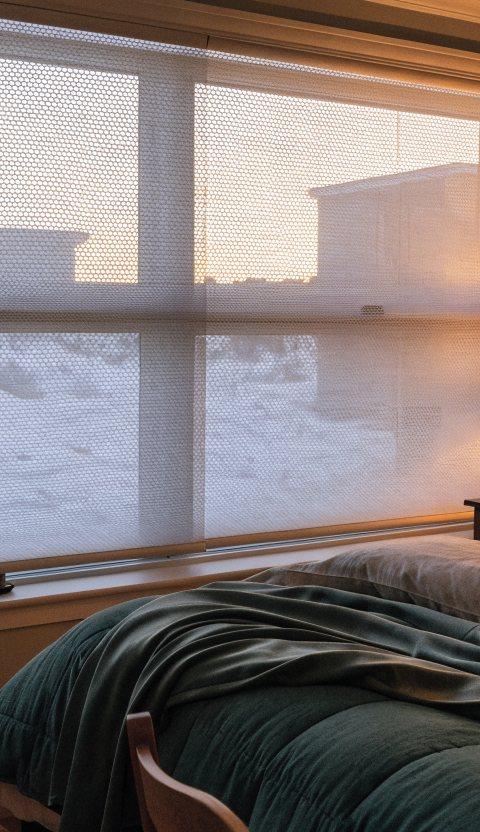
Energy Efficient Window Treatments in Denver: How to Choose for Colorado Winters
Prepare Denver windows for colder days by comparing cellular shades, lined drapery, Roman shades, shutters and sun screens by room and exposure.
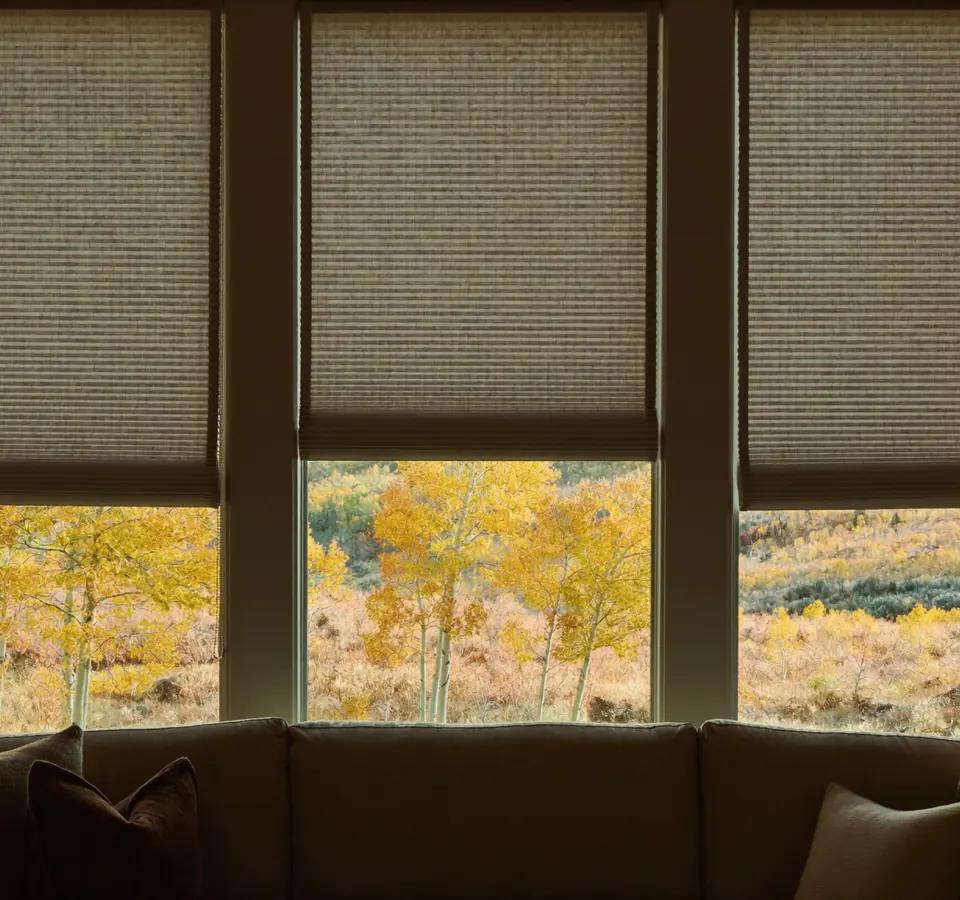
Energy efficient window treatments in Denver help manage comfort near glass as fall mornings turn cool and sunny afternoons still warm the room. Choose according to window orientation, how closely a treatment fits, and when you open or close it. For the detailed cellular discussion, begin with our Denver cellular shades guide.
How do window treatments change comfort through Colorado seasons?
In winter, a closed treatment can put a layer between the room and cold glass, while an open one can admit useful sun during the day. In summer, shading west-facing glass can manage afternoon heat and glare. Results depend on fit, fabric, orientation, and daily use; treatments do not replace sound windows or insulation.
Think of each opening as a place where light and indoor comfort meet. A south-facing room may welcome winter daylight when the sun is lower. A west-facing room may call for shade late in the day during warmer months. At night, the area beside an uncovered pane can feel cooler even when the heating is on.
Which cellular shade details are worth comparing?
Cellular shades have pockets of air in their honeycomb structure, but selection involves more than counting cells. Compare single-cell and double-cell constructions, light-filtering and blackout fabrics, and how closely the shade covers the opening. A side gap can admit light and allow air movement, so installation details matter alongside fabric.
Single-cell options may meet a room's light and design needs; double-cell options add another layer to consider where winter comfort matters. Light-filtering material keeps daylight in the room, while blackout choices make sense where darkness is important. Ask to see each sample against your own window. A fabric that appears opaque on a table may behave differently when backlit by the sun.
Side channels can reduce visible gaps on compatible systems, but they are not available for every shade or frame. An inside mount can look neat when the opening has enough depth; an outside mount may cover more area around the trim. Handle projection, windows that tilt inward, and nearby hardware all affect the finished fit. The cellular pillar above explores these choices in greater depth.
How do Roman shades, drapery, shutters, and screens compare?
These categories address different parts of seasonal comfort. Lined Roman shades and drapery add fabric coverage indoors, shutters offer adjustable solid panels, and solar shades or exterior screens concentrate on sun control. None is automatically right for every exposure. Compare winter use, summer light, privacy needs, and available mounting space before choosing.
A Roman shade with thermal lining or interlining offers more fabric between room and glass when lowered. Discuss finished fold depth, side coverage, and how often you would raise it for winter sun. Lined drapery can cover tall glass and feel substantial at night, particularly if the rod allows panels to extend beyond the window edges when closed. Check where the fabric will stack when open.
Shutters have louvers that balance privacy and daylight. Their frame and panel design must suit window depth and operating hardware. Solar shades filter daytime glare and may keep a view, depending on fabric, but evening privacy requires a separate check. Exterior screens intercept sunlight outside a suitable opening; our exterior solar screens guide covers weather, placement, and operation.
What does each treatment offer in winter and summer?
A useful comparison separates winter comfort from summer sun control. Some treatments cover glass closely when closed, while others are designed chiefly to filter direct light. The table describes typical purposes, not performance guarantees. The finished fit, selected fabric, and exposure at your particular window still determine how the room feels.
| Treatment | How it helps in winter | How it helps in summer | Best rooms |
|---|---|---|---|
| Cellular shades | Air-pocket fabric covers glass when lowered | Filters or blocks direct light by fabric choice | Bedrooms and living areas |
| Lined Roman shades | Layered fabric adds coverage near glass | Fabric and lining manage daylight | Living and dining rooms |
| Lined drapery | Closed panels provide a fabric layer at night | Panels shade broad openings | Tall windows and patio doors |
| Shutters | Closed panels cover the opening | Louvers adjust direct sunlight | Rooms needing adjustable privacy |
| Solar shades | Provides coverage but is chiefly for light control | Filters glare and direct sun | Bright living spaces |
| Exterior screens | Not generally chosen for winter insulation | Intercepts sunlight outside | Exposed patios and suitable windows |
Why do fit and side gaps matter?
A treatment only covers the portion of glass it actually reaches. Look at frame depth, handles, and width available for an inside or outside mount before choosing fabric. Side gaps can affect light control and how air moves near the pane. Side channels are worth discussing where a selected product supports them.
A deep recess may accommodate an inside-mounted shade; a shallow opening may require another plan. Outside-mounted drapery or a shade extending beyond trim can change the amount of exposed glass when closed. Balance coverage with access to latches, ventilation, and cleaning. Ask the installer to check actual frame conditions rather than assuming the tightest possible fit is practical.
Can motorized schedules follow winter daylight?
Motorized schedules can simplify a routine when a compatible shade is difficult to reach or adjusted often. In winter, you might open south-facing treatments for daylight and close them around dusk; in summer, a west-facing shade might close before direct afternoon sun arrives. Follow your household's needs rather than giving every window the same schedule.
A bedroom may need darkness even while a living room welcomes winter light. Ask how controls work when plans change and whether a manual option is available. See our Denver motorized shades page for product and control considerations before planning a whole-house routine. Automation should support a sensible fabric and installation choice, not compensate for a poorly fitted treatment.
What should you check during a fall window walk-through?
Start when morning light makes rooms easy to observe, then revisit openings facing late-day sun. Note where cold glass feels uncomfortable, where glare lands, and which coverings tend to remain open. Bring those observations to a consultation so fabric and fit decisions respond to real rooms instead of a generic seasonal rule.
- Identify south-facing windows and those taking west afternoon sun.
- Note where people sit close to glass on cool mornings and evenings.
- Check side gaps and handles that restrict shade placement.
- Decide which rooms need filtered daylight and which need darkness.
- Test whether current treatments open for winter daylight and close at dusk.
- For sleeping spaces, review our bedroom blackout guide.
A large sliding opening also needs a traffic plan. Our sliding patio door treatments guide compares the ways coverings stack and clear a doorway. For overhead glass, read the skylight shade guide before choosing controls.
Explore our custom cellular shades and request an in-home consultation to compare samples at your Denver windows. We can review light, fit, and operation room by room before you choose a treatment.
Frequently asked questions
Are double-cell shades always the best choice for Denver winters?
Not automatically. Cell construction matters alongside fabric opacity, window fit, daylight preferences, and how the shade is used. Compare samples and mounting options at each opening rather than choosing on cell count alone.
Should I open shades on south-facing windows in winter?
Opening a suitable shade during sunny winter hours can admit daylight and warmth. Privacy, glare, and the room's use still matter. Consider closing it at dusk when the glass no longer receives direct sun.
Do solar shades insulate a room at night?
Solar shades are primarily chosen to manage daytime sun and glare. They cover glass, but if evening comfort or privacy is your priority, compare other fabrics and layering options. Check the actual material after dark.
Are lined drapes a good option for tall windows?
They can be, especially if the rod lets fabric cover the opening well when closed. Consider wall space needed when open and whether the material suits the room's light and cleaning needs.
Can side channels be added to any cellular shade?
No. Availability depends on the specific product, frame, and installation. Ask your designer to check compatibility and demonstrate how the channels affect operation before adding them to the plan.
Do exterior screens replace indoor winter treatments?
Exterior screens are generally chosen to intercept sun at suitable outdoor openings. They do not directly replace indoor coverage you may want near winter glass. Consider the two locations separately.
Serving Denver since 1999
Blinds Couture Showroom
590 Quivas St
Denver, CO 80204
(720) 729-0091

Blinds Couture
Denver's premier custom window treatment studio
With over 25 years serving Colorado homeowners and designers, Blinds Couture brings expert knowledge in custom drapery, blinds, shades, shutters, and motorized window treatments. Our team combines design expertise with hands-on craftsmanship to create beautiful, functional spaces.
Learn more about our team