Top-Down Bottom-Up Shades: Winter Sun and Privacy in Denver Homes
Top-down bottom-up shades let you keep privacy at street level while low winter sun fills the room. Here is how they work, which products offer them, and where they make the most sense in Denver homes.
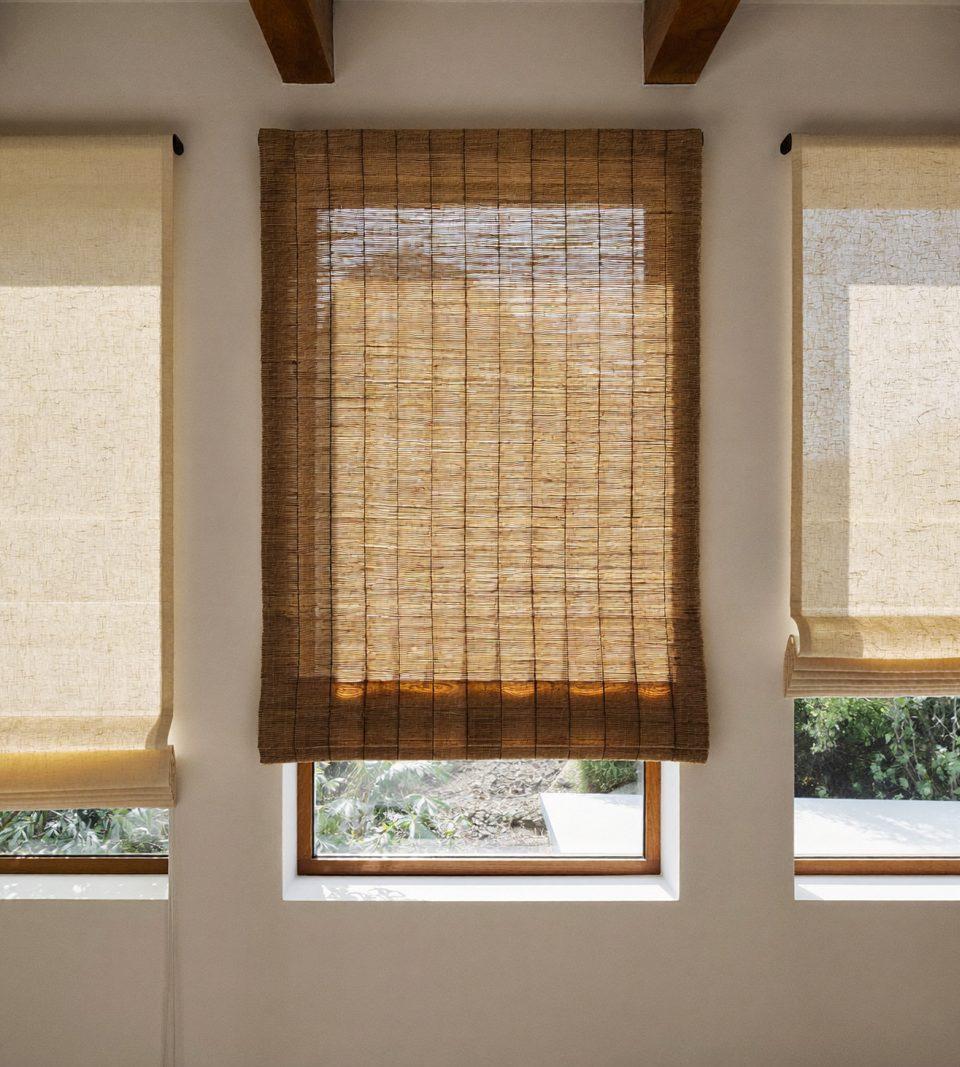
Short answer: Top-down bottom-up shades open from the top, the bottom, or both, so you can cover the lower part of a window for privacy while the upper part lets in daylight. They are a strong fit for street-facing rooms, bathrooms, and bedrooms, and they shine in winter when the low Denver sun reaches deep into the house. Cellular, pleated, and some Roman shades offer the option.
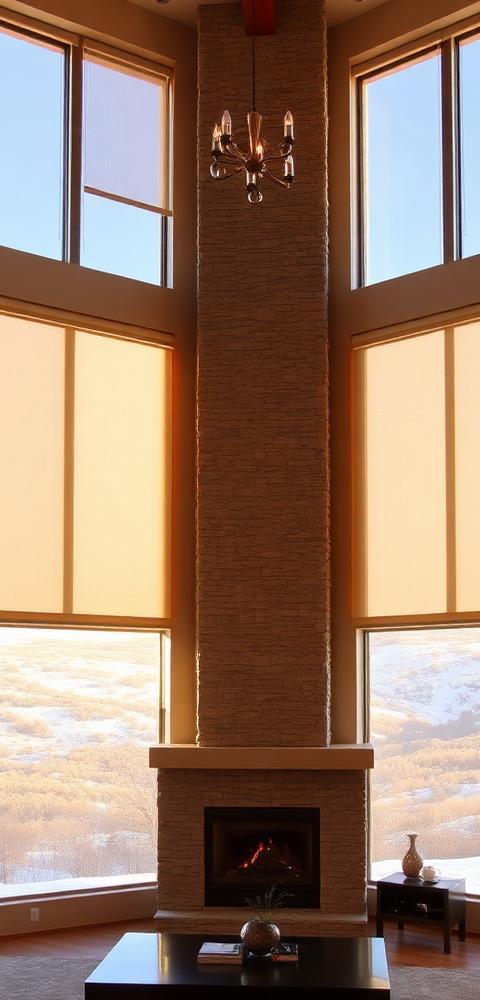
In November, the sun sits low in the southern sky. It reaches farther into your rooms than it does in summer, which is wonderful for warmth and terrible for privacy at night when the house is lit up and the street is dark. Top-down bottom-up shades solve both. This guide explains how they work and where to use them. For an overview of every shade style, see shade styles explained.
How do top-down bottom-up shades work?
The shade has two rails, one at the top and one at the bottom. You can lower the top rail to open the upper part of the window, raise the bottom rail like a normal shade, or position both so the fabric covers only the middle. The result is daylight above eye level and privacy below it. Many styles come cordless, and most can be motorized.
Which shades come in top-down bottom-up?
Cellular shades are the most common choice, followed by pleated shades. Some Roman shade styles offer it as well. Roller and solar shades generally do not, because of how they roll. The table below summarizes the most popular options.
| Shade type | Top-down bottom-up available? | Best for |
|---|---|---|
| Cellular (honeycomb) | Yes, widely | Insulation, privacy, bedrooms and front rooms |
| Pleated | Yes | Crisp look, patterned fabrics, budget-friendly rooms |
| Roman shades | Some styles | Soft fabric look in living and dining rooms |
| Woven wood | Some styles | Natural texture, view rooms |
| Roller and solar | Generally no | Glare control and view-through |
Explore the options on our cellular shades and Roman shades pages.
Why are they so useful in a Denver winter?
Winter sun is low, so it enters through the lower glass and travels deep across the floor. With a top-down bottom-up shade, you can let that warmth in through the upper half while keeping the lower half covered from the street. At night, lower the whole shade to hold heat. In cellular fabric, you also get an insulating layer at the glass. If you have motorized shades, our post on motorized shades in Denver winters covers schedules that use this light well.
Where do top-down bottom-up shades make the most sense?
- Street-facing living rooms: daylight without neighbors seeing in.
- Bathrooms: privacy at the vanity and tub while light comes in above.
- Bedrooms near the street: pair with blackout fabric for sleep and privacy.
- Home offices: soft top light without screen glare at desk height.
- Townhomes and close-set homes: where windows look straight into a neighbor's.
Many neighborhood homes we see, from Littleton ranches to downtown rowhomes, use top-down bottom-up shades on the front of the house and other products on the back.
Are there any downsides?
A few. The two-rail system costs a bit more than a standard shade. On very small windows, the stacked rails take up a larger share of the glass. Roller and solar shades are not usually an option, so view rooms that need glare control may be better served by a solar shade. A designer can help you mix products so each room gets the right one.
Frequently asked questions
Are top-down bottom-up shades worth the extra cost?
For street-facing rooms, bathrooms, and bedrooms, most homeowners say yes. The ability to get daylight and privacy at the same time is something a standard shade cannot do.
Can top-down bottom-up shades be blackout?
Yes. Blackout cellular shades are available in top-down bottom-up, though a small amount of light may show at the edges. For the darkest rooms, see our blackout bedroom guide.
Can they be motorized?
Many can. Motorized top-down bottom-up shades let you set separate positions for morning, daytime, and night.
Are they safe for homes with kids and pets?
Choose a cordless or motorized version. Both remove dangling cords from the window.
Do top-down bottom-up shades work on large windows?
They work on most standard sizes. Very wide or tall windows may need to be split into more than one shade, which a designer will confirm when measuring.
Want daylight and privacy at the same time? Book your complimentary design consultation and see top-down bottom-up shades in your own light.
Serving Denver since 1999
Blinds Couture Showroom
590 Quivas St
Denver, CO 80204
(720) 729-0091

Blinds Couture
Denver's premier custom window treatment studio
With over 25 years serving Colorado homeowners and designers, Blinds Couture brings expert knowledge in custom drapery, blinds, shades, shutters, and motorized window treatments. Our team combines design expertise with hands-on craftsmanship to create beautiful, functional spaces.
Learn more about Blinds Couture